 how-to
How to Replace a Sewer Line: Timeline and Process
Last Updated: November 7, 2026
Quick Summary
A typical sewer line replacement takes one to three days of active work for open-trench methods and one to two days for trenchless lining or pipe bursting, with permits and utility marking adding time before digging starts. The total project can span several days to a few weeks, depending on the method, pipe length, depth, and site conditions.
- A camera inspection maps cracks, offsets, and root intrusion to determine the right method.
- Permits and utility marking must be completed before any digging can begin.
- Open-trench replacement typically takes one to three days of active work.
- Trenchless methods usually need smaller access pits and one to two days of active work.
- Surface restoration can take several weeks and is scheduled separately from sewer service.
Table of Contents
- Typical Duration by Replacement Method
- Inspection, Diagnosis, and Permits Before Any Digging
- Sewer Line Replacement Process From Start to Finish
- Traditional Excavation vs Trenchless Sewer Line Replacement
- Sewer Line Repair vs Replacement: Choosing Spot Repair or Full Replacement
- Restoration, Post-Installation Testing, and Service Disruption
- Booking Your Sewer Line Replacement With C & C Environmental Services
- Frequently Asked Questions
When a sewer line fails, most homeowners want two answers fast: how long the repair will take, and what the work will involve. This guide sets out the typical timeline and process for replacing a residential sewer line, so you know what to expect before the first shovel hits the ground. Most of the time comes down to the method used, the length and depth of the pipe, and how many permits and utility locates the job requires.
A sewer line replacement is the process of removing or bypassing a damaged main line that runs from your home to the municipal connection or septic tank, and installing a new pipe in its place. The timeline depends on the replacement method, and the total project can span several days to a few weeks once permitting is included.
Here is what this guide covers:
- Typical duration for each replacement method
- Factors that stretch or shorten the schedule
- Inspection, diagnosis, and permits before any digging
Typical Duration by Replacement Method
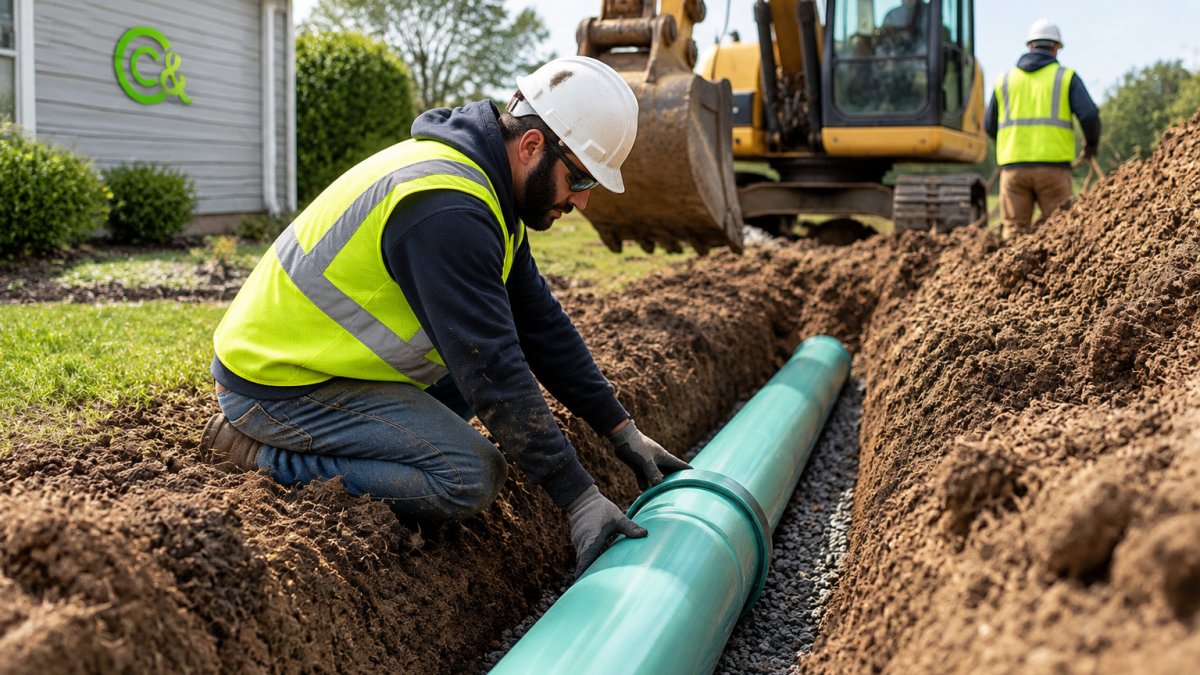
Traditional open-trench replacement is the most familiar method. Crews dig along the full path of the pipe, remove the old line, and lay new pipe.
Trenchless methods can be faster on the ground because they need smaller access pits. Pipe bursting and cured-in-place lining are common examples. The total schedule depends on site preparation and the specifics of each job.
- Open-trench replacement: typically one to three days of active work
- Trenchless lining or pipe bursting: typically one to two days of active work
- Spot repair: often completed in a single day
Factors That Change the Timeline
Several conditions push a project toward the shorter or longer end of these ranges:
- Pipe length: A 40-foot run takes far less time than a 150-foot main.
- Depth: Deeper lines require more excavation and shoring.
- Soil conditions: Rock, clay, or high groundwater slows digging.
Inspection, Diagnosis, and Permits Before Any Digging
A reliable schedule starts with knowing exactly what is wrong. Guessing at the problem is the fastest way to lose time and money. A careful diagnosis tells your contractor which method fits and how much pipe needs replacing.
Camera Inspection and Pipe Condition Assessment
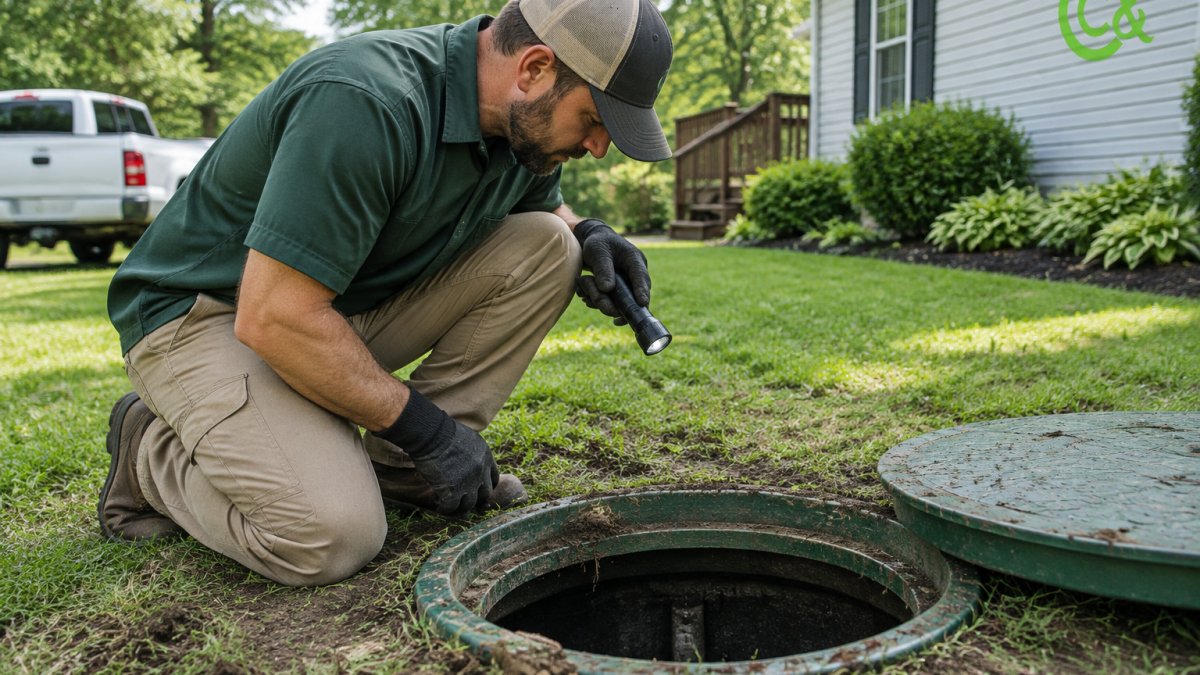
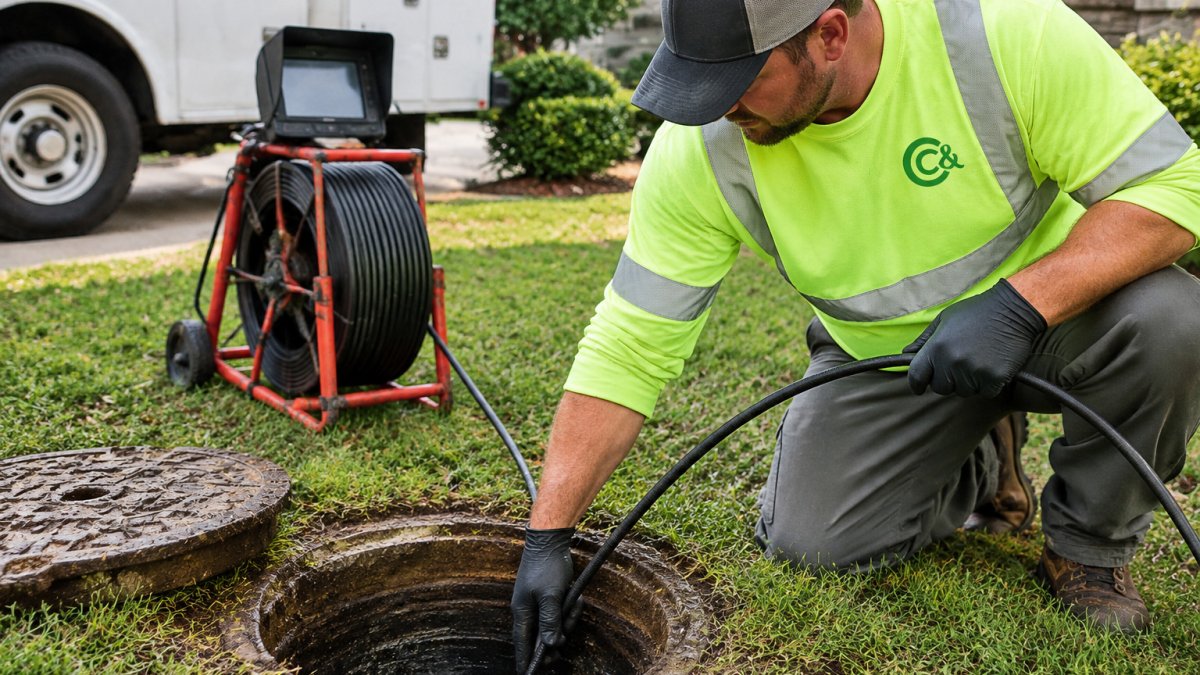
A sewer camera inspection is the standard first step. A small camera on a flexible cable travels through the line and records cracks, offsets, root intrusion, and bellies where water pools. See how a sewer camera inspection works and what it reveals before you schedule one. The footage gives a clear map of the damage, so the team can decide whether a spot repair will hold or the full line needs replacement.
Permit, Inspection, and Utility-Marking Timelines
Before digging, most projects require paperwork. Your local municipality or county may require a permit for sewer work on private property. Check which permits North Carolina requires before digging so the schedule accounts for them.
Utility marking is equally important. Utility marking is typically handled through a one-call notification system, and advance notice is generally required before digging (811 Before You Dig).
Sewer Line Replacement Process From Start to Finish
Every replacement follows a similar sequence: inspection, permitting, excavation or trenchless setup, pipe installation, testing, and restoration.
Day-by-Day Homeowner Timeline
Here is a typical sequence for a standard residential replacement, broken into administrative days and active construction days. Exact durations vary by jurisdiction and site.
- Days -14 to -7 (administrative): Camera inspection and written quote. Permit application filed with the local municipality or county. Utility locate request submitted through the one-call system, which typically requires advance notice before digging.
- Days -7 to -1 (administrative): Permit issued, utility marks confirmed on site, and materials ordered. Any required pre-construction inspection is scheduled.
- Day 1 (construction): Site setup and protection of landscaping or driveway surfaces. Access pits or the open trench are excavated, and the old line is removed or bypassed. For trenchless work, the launch and receiving pits are dug and the liner or bursting head is staged.
Build the utility locate notice period into the plan before the permit is issued, since digging generally cannot begin until marks are confirmed.
What Happens at Each Stage
Inspection and diagnosis. A camera inspection maps cracks, offsets, root intrusion, and bellies.
Excavation or trenchless setup. Open-trench work digs along the full pipe path.
Pipe installation and connection. The new pipe is laid or pulled into place and connected at both ends.
Testing and acceptance. Flow tests and a camera inspection verify the line before backfill.
Restoration. Backfill, compaction, and surface repair follow testing.
Service Disruption and Temporary Sanitation
Water use and toilet access are limited during active work, and the length of the interruption depends on the method. Open-trench replacement typically interrupts service for most of the construction day, while trenchless lining may allow service to continue until the cure stage.
For households with a single bathroom or several occupants, plan a temporary arrangement in advance.
The table below summarises the typical day-by-day sequence for a standard residential sewer line replacement.
| Stage | Timing | What happens |
|---|---|---|
| Administrative | Days -14 to -7 | Camera inspection, quote, permit application, utility locate request |
| Administrative | Days -7 to -1 | Permit issued, utility marks confirmed, materials ordered |
| Construction | Day 1 | Site setup, excavate or set launch and receiving pits, remove or bypass old line |
| Construction | Day 2 | New pipe installed and connected at house and municipal connection or septic tank |
| Construction | Day 3 | Flow test, post-installation camera inspection, inspector sign-off, backfill and compaction |
| Restoration | Days 4 and beyond | Surface restoration, which can run from a few days to several weeks |
Traditional Excavation vs Trenchless Sewer Line Replacement
Both methods replace a failing line. They differ in how the old pipe is accessed and removed.
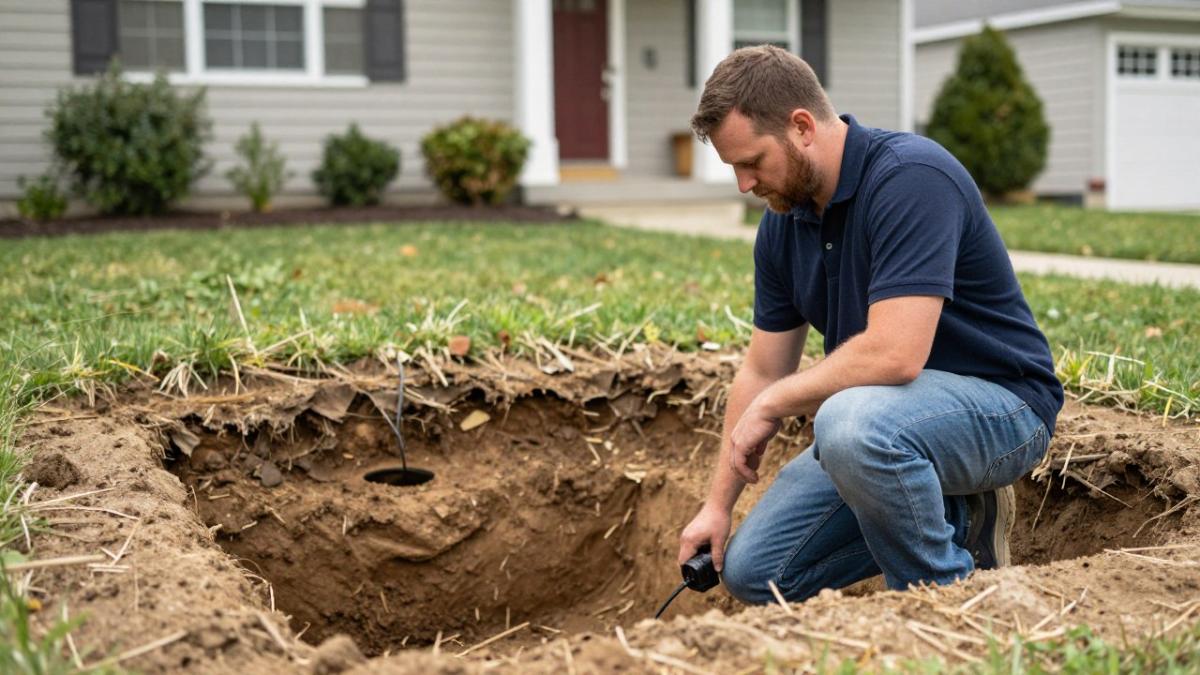
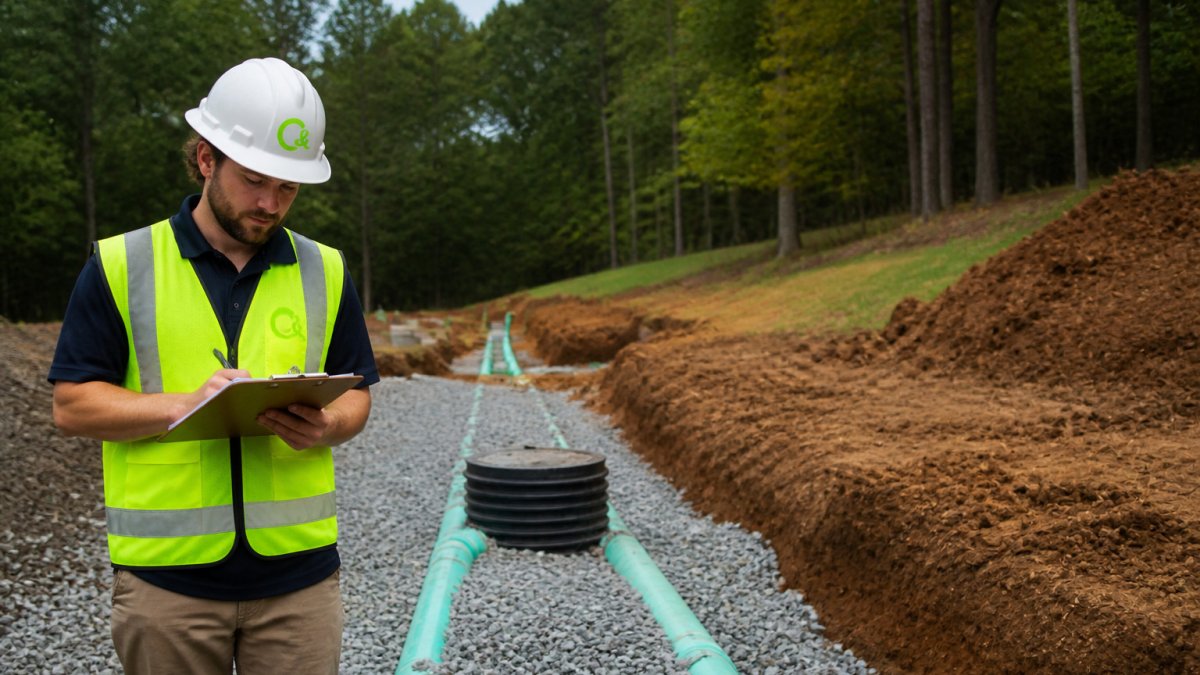
- Traditional excavation digs along the full pipe path. It is reliable and works well when the line is shallow and accessible, but it disturbs more landscaping and driveways. You can learn what site excavation involves on the ground before choosing.
- Trenchless replacement uses smaller access points and runs new pipe through the old line. It is often better for paved areas and mature landscaping, though it is not suitable for every pipe condition.
Pipe Length, Depth, and Site Access
The right method depends on the pipe's length, depth, and surroundings. Long runs, deep lines, and difficult access often favor trenchless methods, while short, shallow runs in open yards may be simpler to excavate. Compare what a full main line replacement typically costs against the cheaper options. A camera inspection and site visit are the best way to confirm which option suits your property.
Sewer Line Repair vs Replacement: Choosing Spot Repair or Full Replacement
Not every problem needs a full replacement. A sewer line integrity inspection can help determine whether a localized repair will address the problem or whether replacement is necessary.
A full or partial replacement makes more sense when damage is widespread, the pipe is old or collapsing, or repeated repairs have not solved the problem. The camera inspection should show which situation applies.
- Choose spot repair when damage is limited to one section.
- Choose partial replacement when several sections are failing.
- Choose full replacement when the line is aged, widely damaged, or repeatedly failing.
Restoration, Post-Installation Testing, and Service Disruption
The job is not finished when the new pipe is in. Testing confirms the line holds water and flows correctly, and restoration returns the property to its prior condition. These are two separate phases with separate timelines, and conflating them is one of the most common sources of homeowner frustration.
Post-Installation Testing and Acceptance Criteria
Before backfill, the contractor should verify the new line in three ways. First, a flow test confirms water moves through the line at the expected rate and that no low spots or bellies trap water. Second, a post-installation camera inspection confirms the pipe is clear of debris, joints are aligned, and the connection at the house and at the municipal main or septic tank is properly seated. Third, where the jurisdiction requires it, the municipal inspector performs a final review and signs off on the permit.
Ask your contractor to review the camera footage with you and to provide the inspector's sign-off documentation. These records are your proof that the line was accepted before the trench was closed. Watch out: if the trench is backfilled before the camera inspection and flow test are complete, a failed joint or a debris blockage may not surface until the first backup, at which point the repair is on your dime unless the contract says otherwise.
Restoration Timelines: Service vs. Surface
Sewer service is typically restored once testing passes. Surface restoration is a separate schedule. Backfill and compaction usually happen the same day as testing, but the finished surface takes longer:
- Lawn areas: topsoil replacement and seeding or sod typically follow within a few days, but full lawn recovery can take several weeks depending on season and watering.
- Driveways and paved surfaces: patching or resurfacing is usually scheduled as a follow-up visit, often within one to two weeks, because concrete and asphalt need cure time and may require a separate subcontractor.
- Interior restoration: if the work required opening a basement floor or interior slab, concrete patching and finish work follow the same follow-up pattern.
Ask for the restoration schedule in writing before work starts, and confirm whether restoration is included in the quoted price or billed separately.
Service Disruption: What to Expect and How to Plan
Water use and toilet access are limited during active work. The disruption window depends on the method: open-trench replacement typically interrupts service for most of a construction day, while trenchless lining may allow service to continue until the cure stage. For households with a single bathroom or several occupants, plan a temporary arrangement in advance. Confirm the expected no-service day with your contractor and arrange access to alternative facilities for that window.
Booking Your Sewer Line Replacement With C & C Environmental Services
A clear plan keeps your project on schedule. C & C Environmental Services is a family-owned and operated company with more than 20 years of experience in utility and site work across North Carolina.
Before you book, ask us about the inspection, the expected timeline, and how we will protect your landscaping. Contact us today to schedule a camera inspection and get a clear plan for your sewer line.
Frequently Asked Questions
How long does it take to replace a sewer line?
Replacement duration depends on method, length, depth, and site conditions. Longer runs, deep pipe, or rocky soil generally take more time than short, shallow runs in clear soil. Pre-construction inspection and permitting can add time before the crew arrives. Ask your contractor for a written schedule that separates construction days from permitting and restoration time.
Can a sewer line be replaced in one day?
Sometimes. A short, accessible sewer lateral that is shallow and in soft soil may be replaceable in a single day, depending on conditions. Longer lines, deep excavation, tree root removal, or unexpected conditions found during the work can require additional time. Your contractor should confirm the expected duration after the camera inspection, when the pipe length, depth, and condition are known.
Do I need a permit to replace my sewer line?
Permit requirements for sewer work vary by locality, so confirm requirements with your city or county before scheduling. Permit approval and inspections can add time to the overall timeline.
How do I know whether to repair or replace my sewer line?
A spot repair is usually appropriate when damage is limited to one or two localized sections, such as a single crack or a small offset joint. Full or partial replacement is typically the better choice when the pipe shows widespread cracking, bellies, root intrusion along its length, or repeated blockages. A camera inspection records the pipe condition throughout its run, which is the basis for choosing between the two. A camera inspection shows the condition of the pipe, which is the basis for choosing between the two options.