 how-to
How to Spot Signs of Aging Septic System Failure
Quick Summary
Signs of septic system failure include several slow drains at once, gurgling pipes, sewage odors, and standing water or soggy ground over the drainfield. Lush grass over the drainfield can also signal that wastewater is surfacing. If these appear together or keep returning after clearing, schedule a professional inspection.
- Several fixtures draining slowly at once suggests a restriction past the fixtures.
- A clog usually clears once, while a system problem tends to return.
- Standing water or soggy ground over the drainfield is a warning sign.
- Stop adding water to the system during the first 24 to 48 hours.
- Pumping the tank alone does not restore a failed drainfield.
Table of Contents
- Why Aging Septic Systems Fail Quietly
- Early Signs of Septic System Failure to Watch For
- Aging Septic System Versus a Simple Clog: How to Tell the Difference
- Average Life Expectancy of a Septic System and What Shortens It
- Why Septic Tank Problems Get Worse When It Rains
- Septic System Problems and Solutions: A Response Plan
- Booking an Inspection for Your Aging System
- Frequently Asked Questions
Why Aging Septic Systems Fail Quietly
Last Updated: November 14, 2026
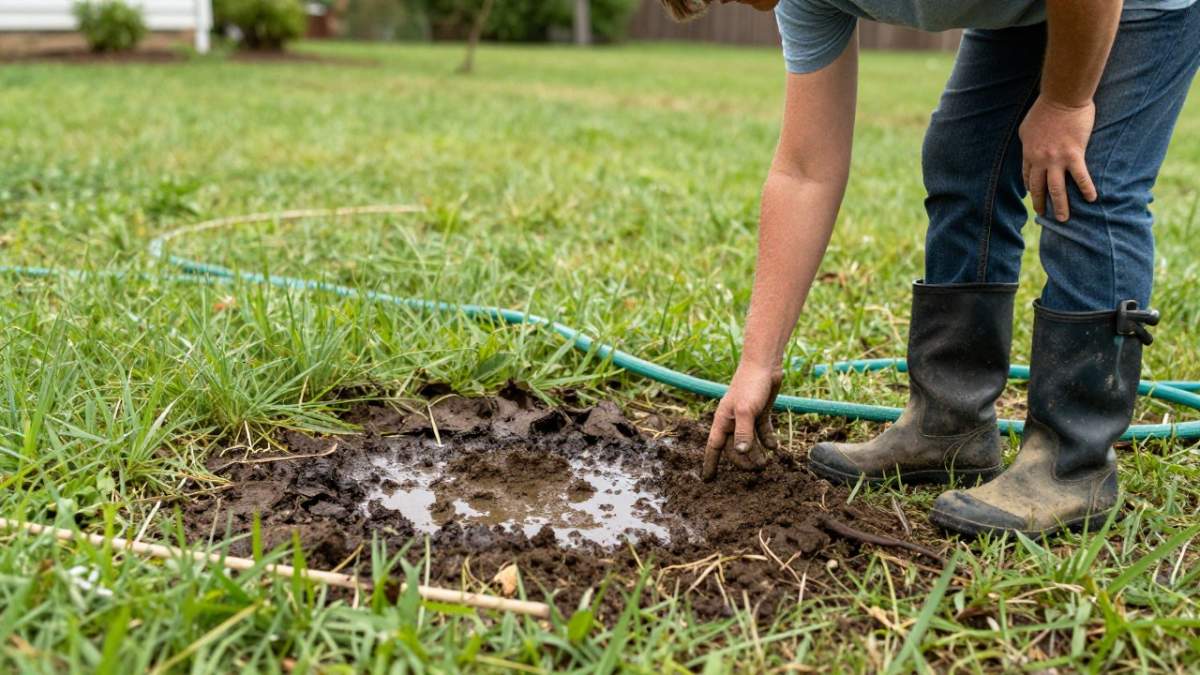
Most septic systems do not fail with a loud warning. They slow down, leak a little, and drift toward trouble over years.
A septic system is a buried setup that treats household wastewater on your property (the EPA).
Aging adds up slowly. Pipes shift, soil clogs, and the drainfield loses its ability to absorb water. Because the change happens gradually, many owners adjust without realizing anything is wrong.
- Solids build up in the tank over time
- Soil around the drainfield can clog and stop absorbing water
- Pipes can crack, shift, or sag
- Small problems grow when they go unchecked
Early Signs of Septic System Failure to Watch For
Early warning signs usually show up in your home first. Watch for changes that affect more than one fixture, since a single slow sink is often just a clog. A system problem tends to show up in several places at once.
Slow Drains and Gurgling Plumbing
Slow drains across several fixtures are a common early clue. If your sinks, tub, and toilets all drain slowly, the problem may be past the house. Gurgling or bubbling sounds in pipes can also mean air is not venting properly because the system is backed up.
Look for these patterns:
- Several drains are slow at the same time
- Toilets gurgle after you run a sink or shower
- Water backs up into a tub or shower drain
- Sounds come from pipes when no water is running
Odors, Wet Spots, and Lush Grass Over the Drainfield
Sewage smells indoors or outdoors are a warning you should not ignore. A strong odor near the tank or drainfield often means wastewater is reaching the surface.
Unusually lush or bright green grass over the drainfield can also point to a problem. The extra moisture and nutrients from leaking wastewater feed the grass. Healthy turf in other parts of the yard may look patchy by comparison.
Aging Septic System Versus a Simple Clog: How to Tell the Difference
A single slow sink is usually a local clog, hair, grease, or soap scum in the trap or branch line. For a step-by-step approach, see finding the root cause of drain issues. An aging septic system behaves differently because the restriction sits downstream of every fixture. The practical test is scope and recurrence: a clog is isolated and clears once; a system problem is widespread and returns.
What each pattern usually means
- One fixture slow, others normal. Most often a trap, drain assembly, or branch-line clog. A plunger or hand snake usually resolves it.
- Several fixtures slow at once. The restriction is likely in the main building drain or at the tank inlet. This is the most common early signal of a full tank or a partially blocked inlet baffle.
- Gurgling after you use water elsewhere. Air is being pulled through traps because the vent or drain line is partially blocked. If it happens at multiple fixtures, suspect the main line or tank.
- Backup at the lowest drain in the house. A floor drain or basement tub that backs up first points to a main-line or tank-side restriction, not a fixture clog.
A quick triage sequence
- Confirm scope. Run water at three fixtures in different parts of the house, one at a time. If more than one drains slowly, the problem is likely past the fixture.
- Check recurrence. If the same drain slows again within a week or two of clearing, the cause is downstream.
- Look outside. Walk the drainfield area after a dry spell. Soggy ground, standing water, or a stripe of unusually green grass over the lines points to the system, not the plumbing.
- Check records. A tank that has not been pumped in several years, or a home with a garbage disposal and high water use, raises the odds that the tank is full.
When the pattern points to the system
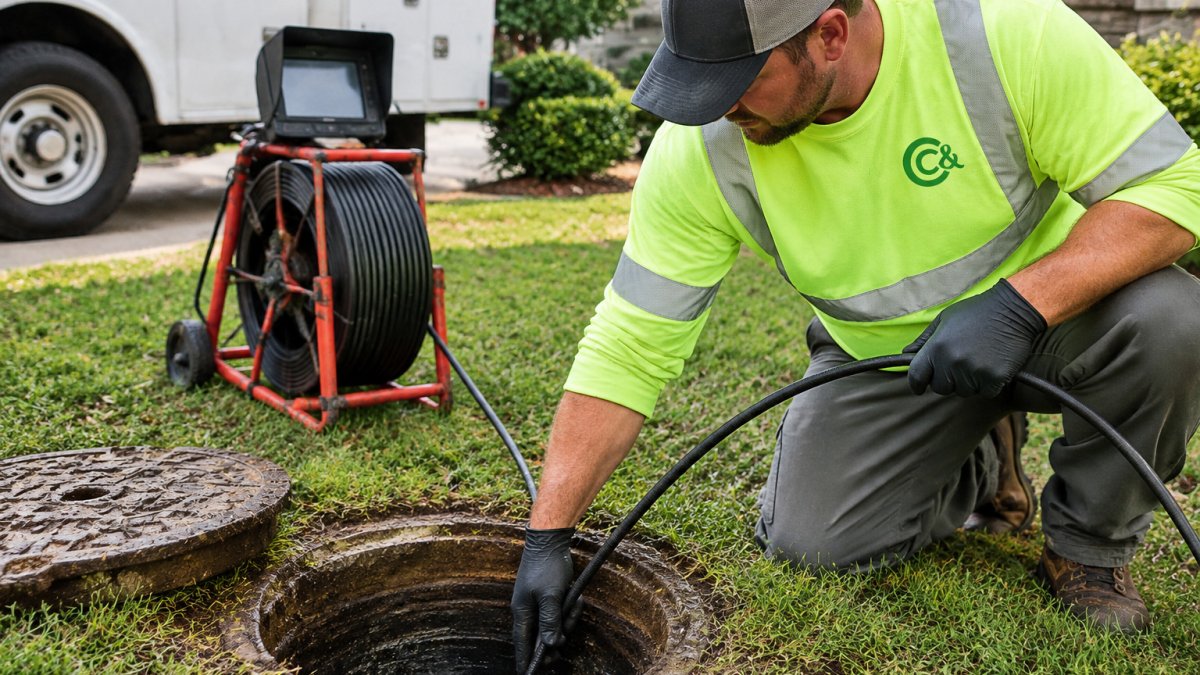
If two or more fixtures are affected, the problem returns after clearing, or you see outdoor signs, treat it as a septic issue until an inspection proves otherwise. A camera inspection can also reveal sewer line damage, helping distinguish a failing pipe from a septic system problem.
The table below summarises what different symptom patterns usually indicate, so you can tell a simple clog from a system problem.
| Symptom pattern | Usually means | Next step |
|---|---|---|
| One fixture slow, others normal | Trap, drain assembly or branch-line clog | Plunger or hand snake |
| Several fixtures slow at once | Main building drain or tank inlet restriction | Check tank and inlet baffle |
| Gurgling after water used elsewhere | Partially blocked vent or drain line | Inspect main line or tank |
| Backup at lowest drain in house | Main-line or tank-side restriction | Professional inspection |
| Indoor odors that come and go | Dry trap or vent issue | Check traps, then tank seal |
| Wet spots or lush grass outside | Drainfield or distribution box not accepting liquid | Inspect drainfield |
Average Life Expectancy of a Septic System and What Shortens It
A well-kept septic system can last for decades, but age alone is not the full story. The tank, the drainfield, and the soil all wear down at different rates. System age is one factor, along with how the system has been used and cared for.
Several things can shorten the life of a system:
- Flushing wipes, grease, or chemicals that harm the tank
- Driving or parking vehicles over the drainfield
- Planting trees or deep-rooted shrubs near the lines
- Going years without pumping the tank
- Using far more water than the system was designed to handle
Keep records of when the tank was last pumped and any past repairs (the EPA). These records help a professional judge how much life the system has left.
Why Septic Tank Problems Get Worse When It Rains
Heavy rain often makes septic problems more obvious. Saturated soil cannot absorb wastewater as well, so the drainfield backs up sooner. Groundwater can also rise and press against the tank and lines.
During wet weather, watch for these changes:
- Standing water or soggy ground over the drainfield
- Slower drains that improve after the rain stops
- Odors that appear or get stronger after storms
- Wet spots that were not there before
If problems appear every time it rains, the drainfield may be failing. Limit water use during wet spells, and call a professional rather than waiting for the next storm.
Septic System Problems and Solutions: A Response Plan
When you suspect failure, the first day matters more than the first week. Once you are ready to act, you can review the septic repair and maintenance options offered. The goal is to stop adding water to a system that cannot take it, keep people away from wastewater, and get a real diagnosis before the damage spreads.
First 24 to 48 hours
- Stop adding water. Postpone laundry, dishwasher loads, long showers, and hot tub draining. Spread out necessary flushes. A household of four can send hundreds of gallons a day into the tank, and every gallon pushes more effluent toward a drainfield that may already be saturated.
- Keep people and pets off wet areas. Do not mow, walk through, or let children play on soggy ground or standing water near the tank or drainfield. Wear gloves and boots if you must be near it, and wash up afterward.
- Protect your water supply. If you have a private well, avoid using water you suspect may be affected until it is tested. Keep hoses and wellheads away from wet ground, and do not let runoff pool near the well casing.
- Document what you see. Note which fixtures are slow, when odors appear, where wet spots are, and recent rainfall. Photos help an inspector compare conditions over time.
- Pull your records. Find the last pump-out date, any prior repairs, the tank size, and the drainfield location. If you bought the home recently, check the seller's disclosure and any inspection report.
Arrange the inspection
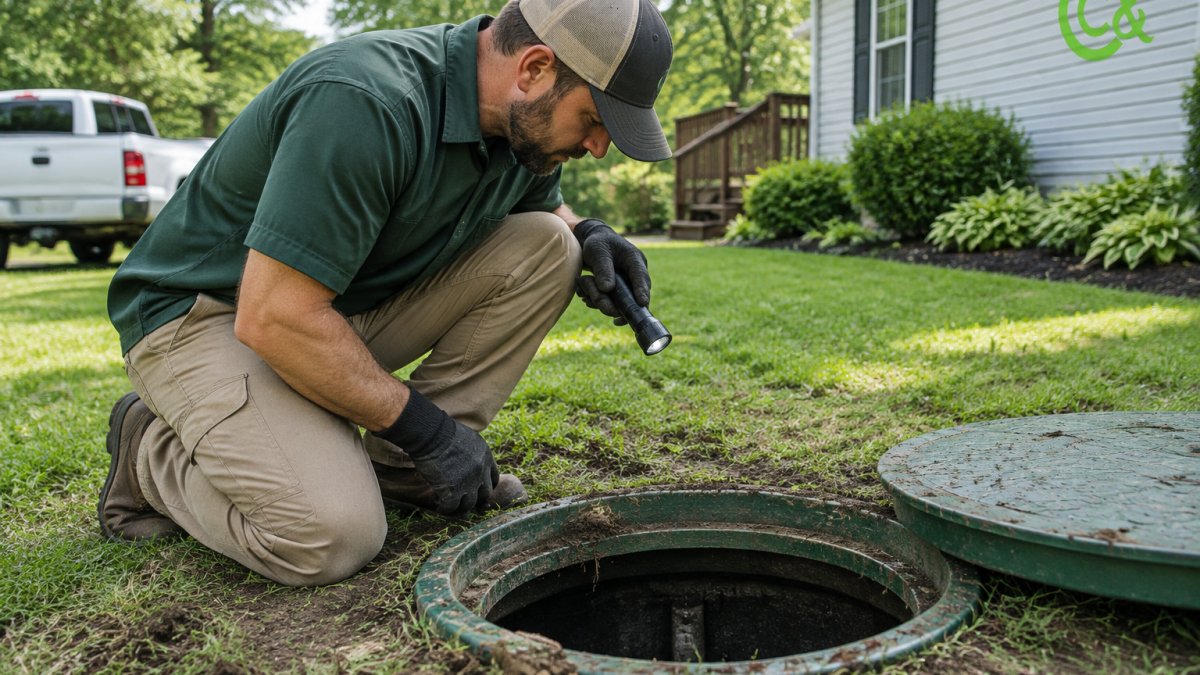
Call a licensed septic professional and describe the symptoms. You can also look over the septic inspection and repair services to see what work is offered. Ask what the visit includes. A thorough inspection typically covers:
- Tank level and sludge and scum thickness, to judge whether pumping is overdue
- Inlet and outlet baffles, which can crack, fall off, or clog
- The effluent filter, if the system has one, which can blind over and cause backups
- The distribution box, to confirm effluent is reaching each drainfield line evenly
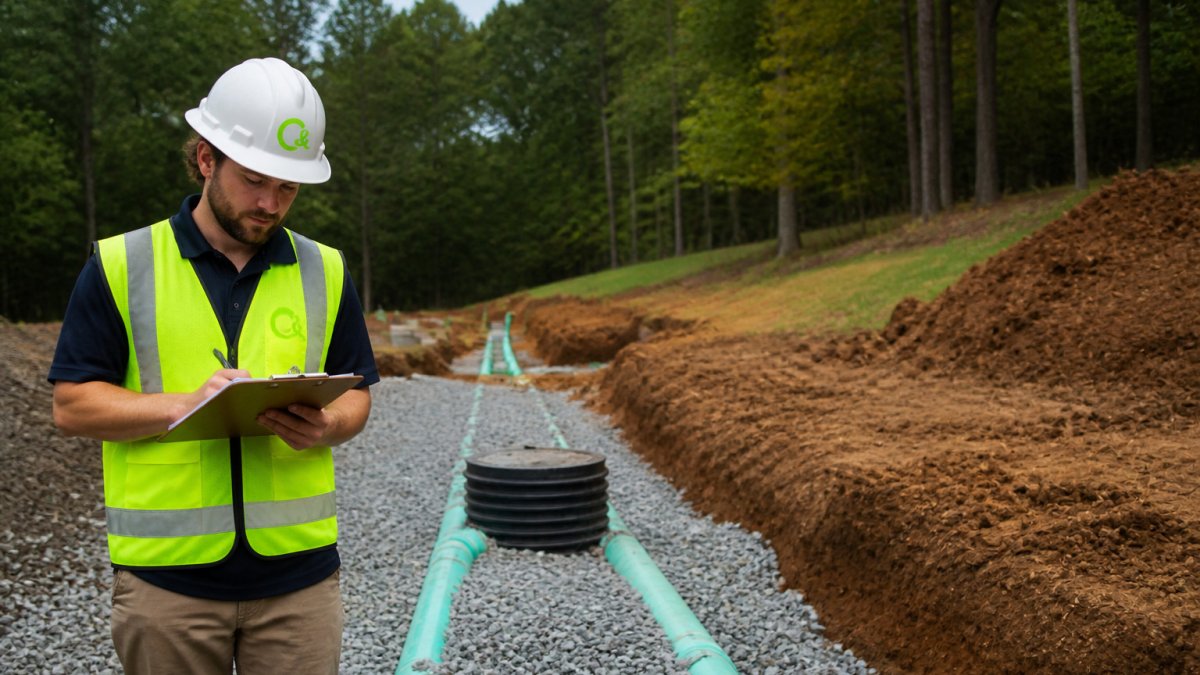
- The drainfield area, for surfacing effluent, saturation, and vegetation patterns
Ask for findings in writing, including whether the issue is a maintenance item, a repair, or a drainfield problem.
Decide on repair versus replacement
Not every failure means a new system. A full tank, a clogged filter, a failed baffle, or a blocked line are usually repairable. A drainfield that is saturated or clogged with solids is a larger question, and the answer depends on the system's age, the size of the drainfield, soil conditions, and local rules.
Watch out: agreeing to a pump-out alone when the drainfield is already surfacing effluent can delay the real fix and add cost, because pumping a tank does not restore a failed drainfield.
Follow local guidance
If wastewater has surfaced or reached a ditch or waterway, contact your local health department. Many jurisdictions require reporting of surfacing sewage and set rules for repair permits and replacement design. Following that process protects your property, your neighbors' wells, and any nearby surface water.
Booking an Inspection for Your Aging System
If you notice any of the signs covered above, schedule an inspection instead of waiting. You can request service or ask questions through our contact page.
Our inspection work includes state-of-the-art camera inspections and full diagnostics. Every job is backed 100% by the company. Contact us today to schedule an inspection and get an honest, upfront estimate for your aging system.
Frequently Asked Questions
What is the average life expectancy of a septic system?
A well-maintained septic system commonly lasts 20 to 40 years, though the tank, the drainfield and the pipes age at different rates. Tanks made of concrete or steel can weaken over decades, while the drainfield often fails first because the soil around it clogs over time. Regular pumping every three to five years, careful water use and avoiding heavy traffic over the drainfield all extend service life. A system's age alone does not decide its condition, so a professional inspection gives a clearer answer than a birth date.
Is a 40-year-old septic system still good?
A 40-year-old septic system may still work, but it is past the typical service life and should be inspected before you assume it is sound. Look for slow drains across several fixtures, sewage odors, wet spots over the drainfield and gurgling pipes. If the system has never been pumped or its records are missing, a professional camera inspection and a check of the tank and drainfield will show whether it needs repair or replacement. Planning ahead is far cheaper than an emergency backup.
Can septic system problems get worse when it rains?
Yes. Heavy rain saturates the soil, which leaves the drainfield with little room to absorb wastewater. The effluent then rises toward the surface or backs up into the house, especially when the water table is already high. Aging systems with partly clogged drainfields are most affected. If you notice backups or soggy ground only after storms, reduce water use during wet weather and have a professional evaluate the system before the next heavy rain.
What should you do if your septic system is failing?
Start by reducing water use right away: skip laundry, dishwashers and long showers until the problem is understood. Avoid running a garbage disposal and keep vehicles off the drainfield. Do not use chemical drain cleaners or additives as a fix. Then contact a licensed septic professional for an inspection and pumping assessment. If sewage is backing up into the home or surfacing outdoors, treat it as urgent, because wastewater carries health risks and can contaminate nearby water sources.