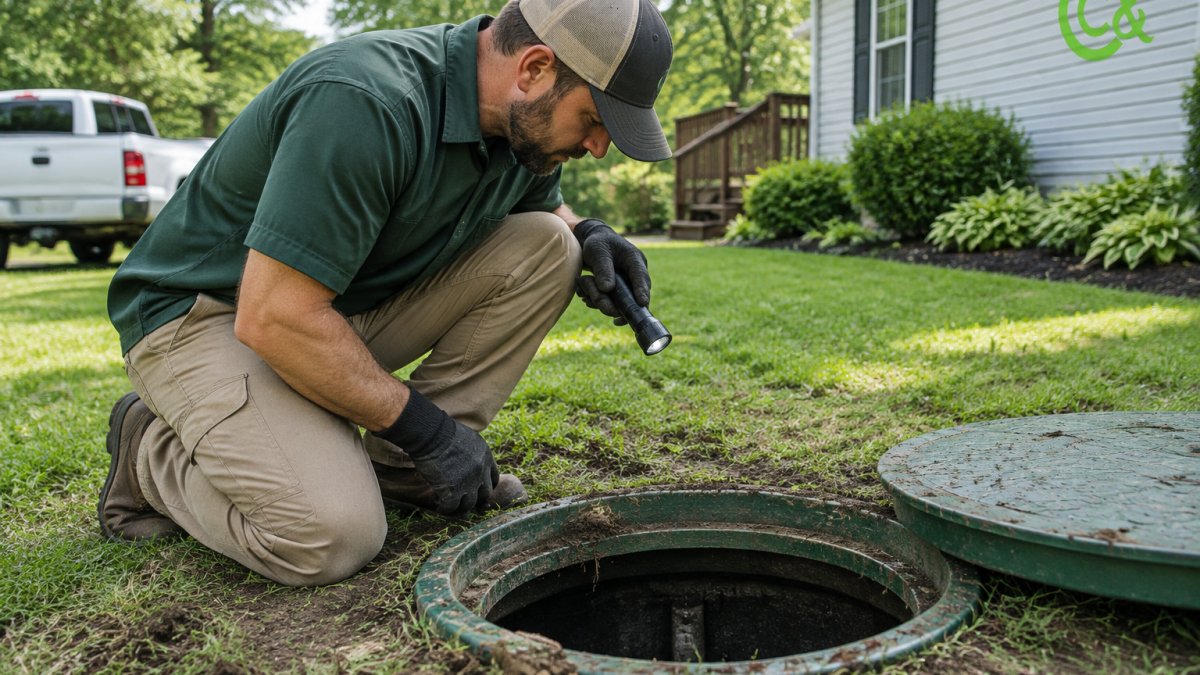
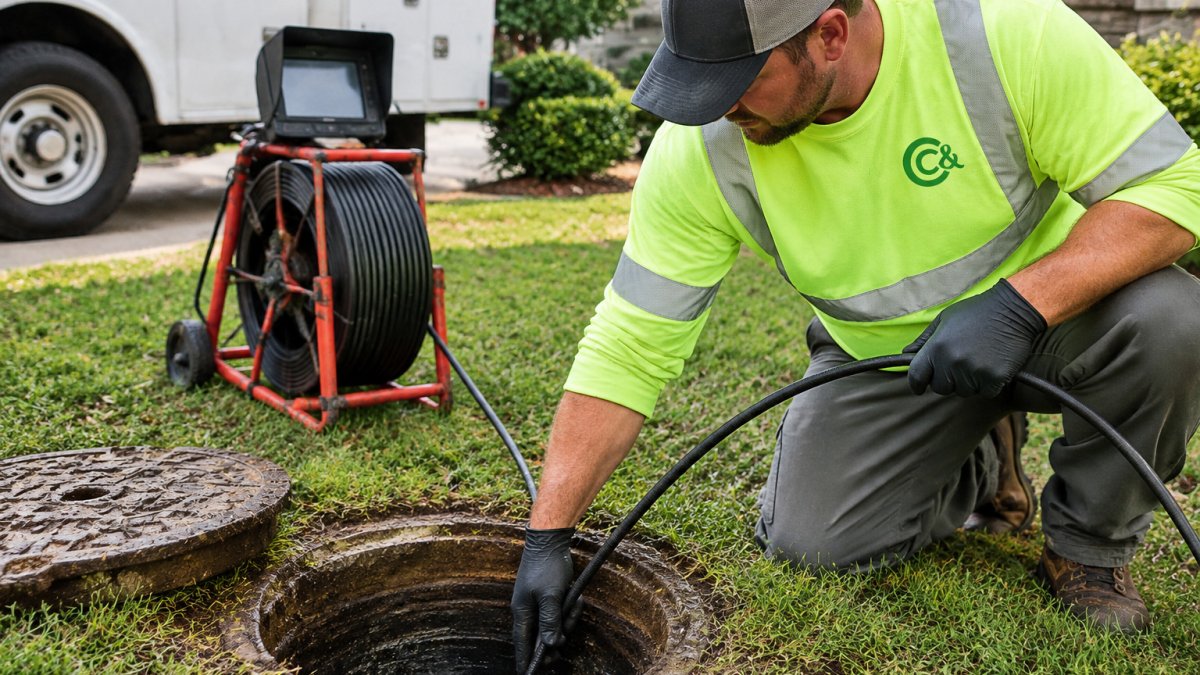
 how-to
7 Steps to Finding the Root Cause of Drain Issues
Last Updated: November 10, 2026
Quick Summary
Finding the root cause of drain issues starts with reading the pattern of symptoms, not just one slow fixture. Count how many fixtures are affected, note the symptom type such as gurgling, odor or backup, and check whether the problem is constant or intermittent. This root cause drain approach helps separate a local clog from a main-line problem before you use a snake or chemicals.
- One slow fixture usually means a local clog in the trap, fixture, or branch.
- Multiple fixtures slowing at once point to the main drain line.
- A toilet that backs up when a sink or tub drains signals a main-line blockage.
- A camera inspection shows whether the problem is a clog, a break, or a design issue.
- Repeat clogs in the same spot often mean an offset or sag, not what was flushed.
Table of Contents
- Start With the Symptoms: What Your Drain Is Telling You
- Step 1: Rule Out Venting and Fixture Problems
- Step 2: Finding Root Cause of Drain Issues in a Toilet or Washing Machine Line
- Step 3: Diagnosing a Clogged Floor Drain
- Step 4: How to Unclog a Basement Drain With Standing Water
- Step 5: Using Camera Inspection to Locate the Cause
- Step 6: Matching Causes to Repair Options and Knowing When to Call a Plumber
- Booking a Diagnostic Visit With C & C Environmental Services
- Frequently Asked Questions
Start With the Symptoms: What Your Drain Is Telling You
Finding the root cause of drain issues starts with reading the pattern, not the single symptom. A slow sink is a clue; a slow sink plus a gurgling shower plus a bubbling toilet is a different one. Build a symptom map before you touch a snake or chemical cleaner.
Three questions can help sort most drain complaints into a likely category:
- How many fixtures are affected? One fixture points to a local clog in the trap, fixture, or branch. Two or more on the same floor point to a branch line or the main. Fixtures on different floors failing together point to the main line or a shared vent.
- What is the symptom pattern? Slow drainage alone suggests buildup. Gurgling suggests air displacement from a partial blockage or a venting problem. Sewer odor suggests a dry trap, failed seal, or cracked pipe. Standing water or backup suggests a downstream restriction.
- Does it come and go? Intermittent problems often trace to venting, a sagging pipe section, or roots partially re-entering a joint. Constant problems usually trace to a fixed clog or structural damage.
Single Drain or Multiple Drains
One slow drain is usually a local problem. A clog in the trap, the pipe under the sink, or the fixture itself is the most common cause.
Multiple drains slowing at once point to the main drain line. When the sink, shower, and toilet all struggle, the blockage is likely farther down, often where branch pipes meet the main.
Watch out: a toilet that backs up when you run a sink or tub is a strong sign the main line is blocked, not the toilet itself.
Gurgling, Odor, and Standing Water
Gurgling usually means air is being pushed through water trapped in the pipe, often signaling a partial blockage or venting problem.
A sewer smell near a drain can mean a dry trap, a cracked pipe, or a failed seal. A floor drain in a basement or laundry room that goes unused for weeks is a frequent culprit because the trap water evaporates.
Note the pattern. Odor strongest after heavy use, or standing water that stays for days, tells you the problem is not going away on its own.
Symptom-to-Cause Quick Map
| Symptom pattern | Most likely cause | First safe check |
|---|---|---|
| One fixture slow, others fine | Trap or fixture clog | Remove stopper, clean trap |
| Multiple fixtures slow on one floor | Branch line clog | Hand auger first few feet |
| Fixtures on different floors slow | Main line restriction | Stop water use, call for assessment |
| Gurgling when another fixture runs | Partial main blockage or vent issue | Check roof vent, then main line |
| Sewer odor at one unused drain | Dry trap | Pour a gallon of water to refill trap |
| Sewer odor plus backup | Main line or sewer issue | Stop water use, call professional |
| Water returns after clearing | Structural damage or roots | Camera inspection |
This map is not a diagnosis. It is a way to avoid two common mistakes: treating a main-line problem as a single-fixture clog, and pouring chemical cleaner into a line with structural damage.
Step 1: Rule Out Venting and Fixture Problems
Before you blame the main line, check the simple causes. A venting problem or a worn fixture can mimic a serious clog.
Venting lets air into the drain system so water flows smoothly.
Next, check the fixture itself. Remove the stopper or strainer and clear out any debris. Look at the trap under the sink.
Run the drain for a minute while you watch the water level. If it drains fine when only that fixture runs, the problem is local.
Step 2: Finding Root Cause of Drain Issues in a Toilet or Washing Machine Line
Toilets and washing machines use larger drain lines. When they cause trouble, the problem is often bigger than a simple clog.
Start with the toilet. If water rises when you flush, the blockage may be in the toilet's own trap or the branch line.
For a washing machine, look for water draining slowly from the standpipe or utility sink. Lint and soap build up in the line over months.
Document each test. Note which fixture you ran, what happened and how long it took. These notes help a plumber pinpoint the cause faster.
Step 3: Diagnosing a Clogged Floor Drain
Floor drains, often found in basements, laundry rooms and garages, collect water from the floor and connect to the main sewer line.
Start by looking inside the drain cover. Remove any grate and look for debris, sediment or sludge.
Next, check the trap. Floor drains have a trap that holds water to block sewer gas.
If water drains slowly after refilling, the blockage sits farther down the line. Note how quickly the water disappears; that speed tells you how serious the clog is.
Step 4: How to Unclog a Basement Drain With Standing Water
Standing water in a basement drain can be a sign of a main line backup.
Start by stopping water use in the house; running a shower or washing machine adds more water to a backed-up system.
For a simple clog near the drain, a hand auger can clear hair and debris within reach.
If water still stands, or comes back quickly, the clog is likely deeper in the line.
If you see sewage coming up through several drains at once, stop and call a professional right away.
Step 5: Using Camera Inspection to Locate the Cause
When the blockage sits out of reach, a camera inspection shows what is happening inside the pipe. A technician feeds a small camera on a flexible cable through a cleanout or drain opening, and notes the distance reading at each finding so the location can be marked above ground.
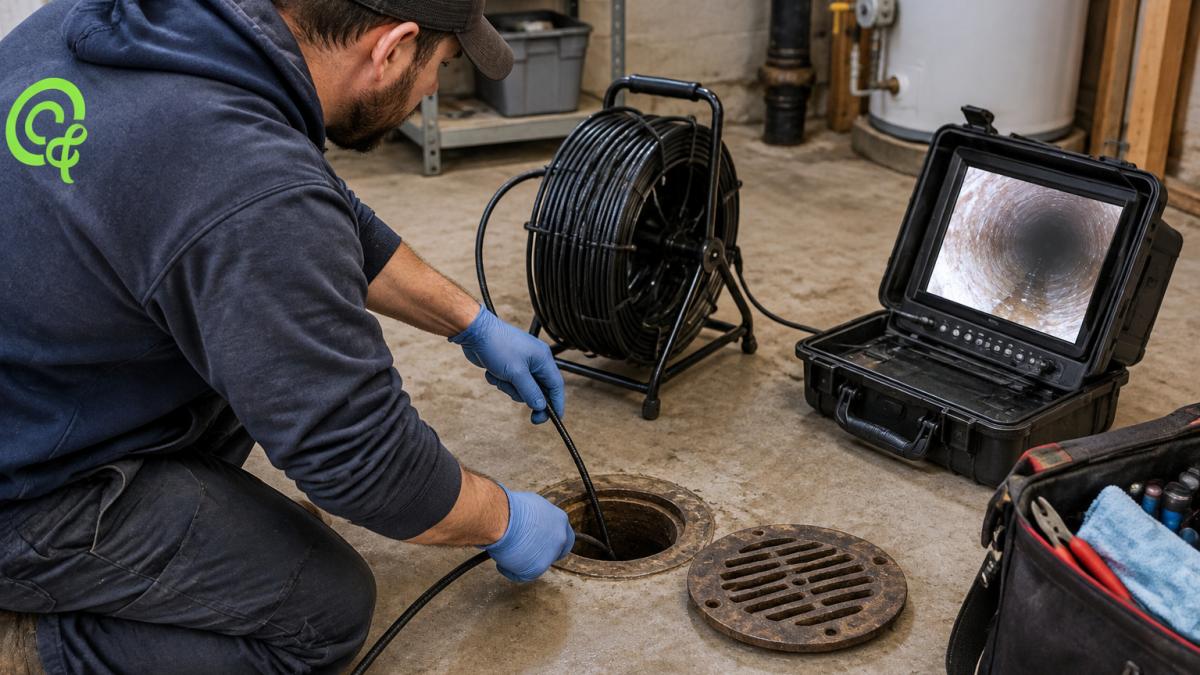
A camera inspection is most useful when the problem is recurring, when multiple fixtures are affected, or when a previous cleaning did not restore normal flow. If your symptoms look urgent, you can review our Urgent Sewer Line Inspection Services in North Carolina to see what a fast professional inspection involves.
How to Read Camera Findings
Camera footage can look confusing at first. Focus on four things, in this order.
1. Pipe walls. Smooth walls with light staining are usually fine. Rough, crusted walls suggest grease, soap scum, or mineral scale.
2. The blockage itself. Solid masses often point to hair, grease, or debris.
3. Structural condition. Look for cracks, broken joints, offsets, and sagging sections.
4. Water level and flow. Standing water in a section that should drain tells you where the restriction sits.
What Each Finding Usually Means for Repair
| Camera finding | What it usually means | Typical next step |
|---|---|---|
| Grease or soap buildup | Soft clog, pipe otherwise sound | Hydro jetting or line cleaning |
| Mineral scale | Narrowed pipe, gradual slowdown | Hydro jetting, sometimes repeated |
| Fine roots at joints | Early root intrusion | Root cutting, then camera recheck |
| Heavy root mass | Joint damage likely | Root cutting plus repair assessment |
| Offset joint | Debris catch point | Spot repair or liner, depending on access |
| Sagging section | Low spot holding water | Repair or re-pipe that section |
| Crack or collapsed section | Structural failure | Excavation or trenchless repair |
A common pattern is a line that clears with jetting but clogs again within a few months.
Watch out: if the camera shows a collapsed section or a break with soil visible, stop using the line and get a repair estimate before more water is added.
Ask the technician to explain what they see and to record the footage.
For a practical look at what inspections involve, read our [page] guide. If your drain problem seems urgent, you can also review our [page] service.
Step 6: Matching Causes to Repair Options and Knowing When to Call a Plumber
Once you know the cause, match it to the right fix. The table below summarizes common causes and repair options.
| Cause | Typical Signs | Repair Option | Best Approach |
|---|---|---|---|
| Hair and soap in trap | One slow sink or tub | Clean the trap or use a hand auger | DIY |
| Grease buildup | Slow drains, odors | Hydro jetting or cleaning | Professional |
| Tree root intrusion | Multiple drains slow, gurgling | Root cutting, then camera check | Professional |
| Mineral scale | Gradual slowdown | Hydro jetting or pipe cleaning | Professional |
| Pipe damage or collapse | Recurring backups, sewage | Spot repair or pipe replacement | Professional |
| Venting problem | Gurgling, slow drain with no clog | Clear vent or repair venting | Professional |
Safe DIY checks include cleaning traps, clearing fixture stoppers and using a hand auger on the first few feet of drain.
Many homeowners ask when a repair is worth it. If your diagnosis points to a failed line, our guide to how a sewer line replacement is done, including the timeline, explains what to expect.
If you need a professional diagnosis, you can book a drain inspection with a local team. Our [page] also helps you plan the next step.
Booking a Diagnostic Visit With C & C Environmental Services
Finding the root cause drain problems is easier with the right tools and a clear plan. Start with the symptoms, rule out simple causes, then use a camera inspection when the blockage is out of reach.
At C & C Environmental Services, we offer camera inspections and hydro jetting, and we provide upfront, honest estimates. Our work is backed by the company. Contact us today to schedule a diagnostic visit and get a clear answer on what is causing your drain problem.
Frequently Asked Questions
What is the number one cause of clogged drains?
Hair, grease, soap scum, and food debris are the most common causes of clogged drains in homes. Hair and soap residue bind together in bathroom drains, while fats, oils, and grease solidify in kitchen lines as they cool. Over time these materials narrow the pipe walls until flow slows to a trickle. Clearing the blockage usually helps, but recurring clogs suggest a deeper problem such as biofilm buildup, mineral scale, or a damaged section of the drain pipe that should be inspected.
My sewer line is clogged with tree roots. What should I do?
Tree root intrusion usually shows up as recurring backups, gurgling in multiple fixtures, or slow drainage across the whole house. Roots grow into joints and cracks in the main drain line, where they trap debris and eventually block the pipe. A camera inspection confirms the location and extent of the intrusion. Temporary clearing with a cable or hydro jetting may restore flow, but roots typically return unless the damaged section is repaired or replaced. A licensed plumber can recommend the right repair for the specific pipe and location.
How can I tell whether a drain problem is local or in the main sewer line?
Run water in several fixtures at once and watch which ones drain slowly or back up. If only one drain is affected, the problem is usually local to that fixture branch. If multiple drains, including floor drains, show symptoms at the same time, the main drain line is more likely the cause. Gurgling sounds from a lower fixture when another is used, and standing water in a floor drain, are strong signs of a main line restriction that warrants a camera inspection.
What if a drain is not clogged but still not draining properly?
Slow drainage without a visible clog can come from partial blockages deeper in the line, mineral scale narrowing the pipe, pipe corrosion or a belly where wastewater collects, or a venting problem that disrupts airflow. Check whether other fixtures show the same behavior, look for gurgling or odor, and note when the problem occurs. Persistent slow drainage across several fixtures generally calls for a camera inspection rather than repeated surface cleaning.