 how-to
E/One Grinder Pump Repair Guide: Troubleshooting & Next Steps
Table of Contents
- How an E/One Grinder Pump System Works
- E/One Grinder Pump Troubleshooting: Symptoms and Diagnosis
- E/One Grinder Pump Alarm Reset and Control Panel Response
- E/One Grinder Pump Maintenance: Preventive Care Steps
- E/One Grinder Pump Life Expectancy and Replacement Planning
- DIY Limits: When to Call a Certified Service Technician
- Discharge Pipe Damage and Emergency Response
- Repair Costs and Service Call Preparation
- Frequently Asked Questions
Last Updated: October 19, 2026
How an E/One Grinder Pump System Works
An E/One grinder pump system is a pressurized sewage solution for homes that cannot rely on gravity-fed sewer lines, and E/One grinder pump repair services are essential when these systems malfunction.
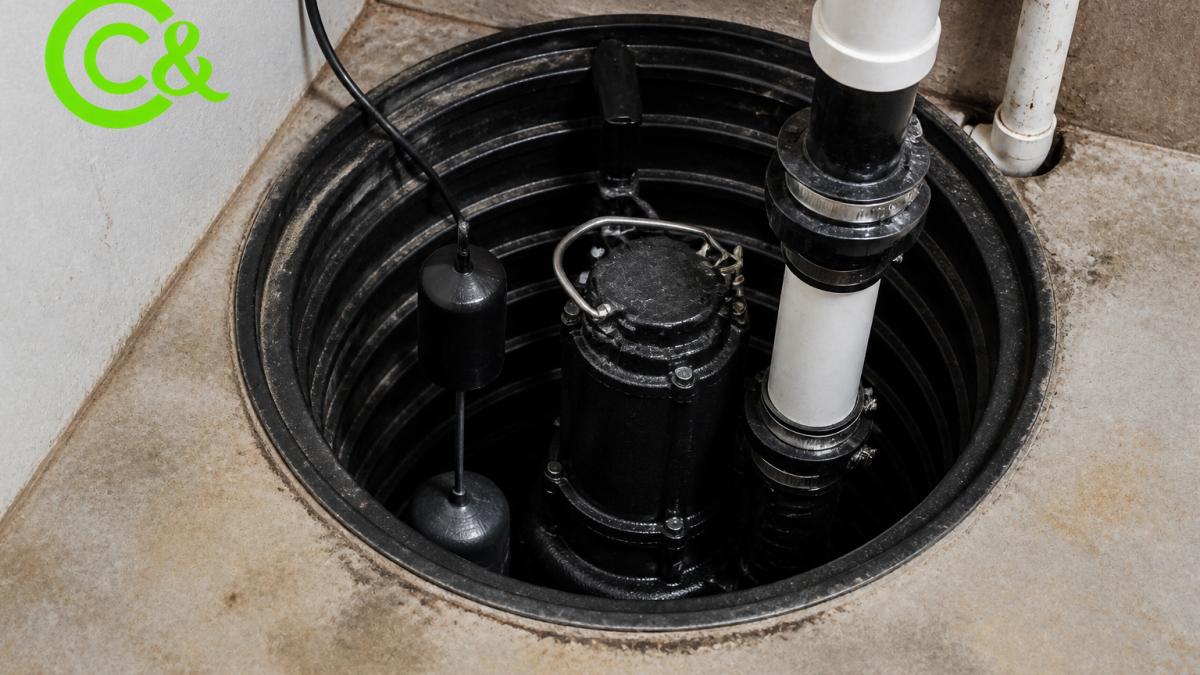
Here's what happens inside: wastewater enters a wet well (basin). When the liquid reaches a set level, a float switch triggers the pump motor.
This system handles what standard plumbing cannot. If your home sits below the sewer line, in a low-lying area, or far from municipal infrastructure, gravity alone won't move waste.
E/One Grinder Pump Troubleshooting: Symptoms and Diagnosis
When your E/One grinder pump stops working as it should, the symptoms tell a story. Learn to read them, and you'll know whether to reset the alarm or call a professional.
Common Pump Problems and What They Mean
A pump that won't start usually points to electrical issues or a stuck float switch. Check that power is on at the breaker.
Slow drainage from household fixtures suggests a blockage in the discharge pipe or a weak pump. Run water in a sink.
Grinding noises during pump cycles are normal. The grinder is doing its job.
Wet ground around the pump station indicates a leak. Check the discharge pipe connection first. Tighten fittings if they're loose. If wetness persists, the pipe itself may be cracked.
Alarm sounds but pump runs normally means the control panel has detected an issue, usually high water level in the basin. Reset the alarm.
When to Shut Off Power and Call for Help
Stop using the system immediately if you see sewage backing up into your home. Turn off the breaker to the pump. Open windows. Call for emergency service.
If the pump is running constantly (never shutting off), turn off power. A non-stop pump signals either a blocked discharge pipe or a float switch stuck in the "on" position. Both require professional diagnosis.
Smoke, burning smells, or sparks at the control panel mean electrical failure. Shut off power at the main breaker and call for service. Do not attempt to restart.
E/One Grinder Pump Alarm Reset and Control Panel Response
Your E/One grinder pump control panel is a simple but critical device. It monitors water level, power, and system status. Understanding what each alarm means saves time and money.
Understanding Alarm Meanings
Most E/One systems use a high-water alarm. It sounds when wastewater in the basin rises above the pump's normal operating level.
A power-loss alarm indicates the breaker has tripped or power to the pump is off. Check the breaker first. If it's in the "off" position, flip it back on.
Some systems have a backup alarm that activates when the primary pump fails. This is a safety feature. If this alarm sounds, your main pump is not working.
The low-voltage alarm warns that the control panel is not receiving proper power. Check that the power cord is plugged in and the breaker is on. If the alarm persists, the panel itself may be failing.
Safe Reset Procedures
To reset an alarm on most E/One systems, locate the reset button on the control panel. It's usually red or clearly labeled. Press and hold it for 3-5 seconds. The alarm should stop.
Wait 10 minutes. If the alarm does not sound again, the issue has cleared. If it sounds again within the hour, the underlying problem has not been fixed. Do not keep resetting it, call for service.
Never reset an alarm if sewage is backing up into your home. Turn off the breaker and call for emergency help instead.
E/One Grinder Pump Maintenance: Preventive Care Steps
Regular maintenance keeps your E/One grinder pump running without surprises. Most systems need minimal attention, but a few simple checks prevent costly repairs.
Routine Inspection Checklist
Every three months, perform these checks:
- Listen for normal pump operation during a full cycle (pump starts, runs 2-5 minutes, stops)
- Check the area around the pump station for wet ground or pooling water
- Verify the control panel light is on and no alarms are sounding
- Inspect the discharge pipe connection for loose fittings or visible cracks
- Confirm the breaker is in the "on" position and has not tripped
Once a year, have a certified technician perform a full inspection. They will check the pump's internal condition, test the float switch, and ensure the discharge pipe is clear.
What Not to Flush
The grinder can handle most household waste, but certain items cause blockages or damage.
Never flush:
- Paper towels or facial tissues
- Feminine hygiene products
- Cotton swabs or wipes
- Dental floss
- Hair (in large amounts)
- Cooking grease or oil
- Medications
- Cigarette butts
- Pet waste or litter
- Diapers or pull-ups
These items either don't break down or wrap around the impeller, jamming the pump. Even "flushable" wipes cause problems, they don't dissolve like toilet paper.
Educate everyone in your home. Post a simple sign near toilets. One mistake can trigger an expensive service call.
E/One Grinder Pump Life Expectancy and Replacement Planning
Most E/One grinder pump systems last 10-15 years with proper maintenance. Some run 20 years or longer. Age alone doesn't mean replacement, performance does.
Watch for signs of aging: frequent alarms, weak discharge, or longer pump cycles. If your system is over 12 years old and showing these signs, budget for replacement.
At C & C Environmental Services, we help homeowners plan ahead. We inspect older systems and provide honest recommendations. If replacement makes sense, we explain your options and timeline. If your pump still has years left, we'll tell you that too.
Document your pump's model number and installation date. This information helps any technician understand your system's history and remaining life.
DIY Limits: When to Call a Certified Service Technician
Know where DIY ends and professional work begins. Mistakes here can damage the pump or create health hazards.
What You Can Safely Inspect Yourself
You can visually check the pump station area. Look for wet ground, cracks in the basin, or loose pipe connections. You can listen for normal pump operation. You can press the reset button on the control panel. You can verify the breaker is on.
You can also keep the area clear of debris and ensure nothing is blocking access to the pump station.
Repairs That Require Professional Certification
Do NOT attempt to open the pump basin or remove the pump motor yourself. The interior contains sewage and sharp rotating parts.
Do NOT replace the float switch, impeller, or internal pump components. These require special tools and knowledge of the specific E/One model.
Do NOT attempt to clear a blocked discharge pipe by yourself. Pressurized sewage can spray unexpectedly. Professionals use specialized equipment and safety protocols.
Do NOT work on the electrical system or control panel unless you are a licensed electrician.
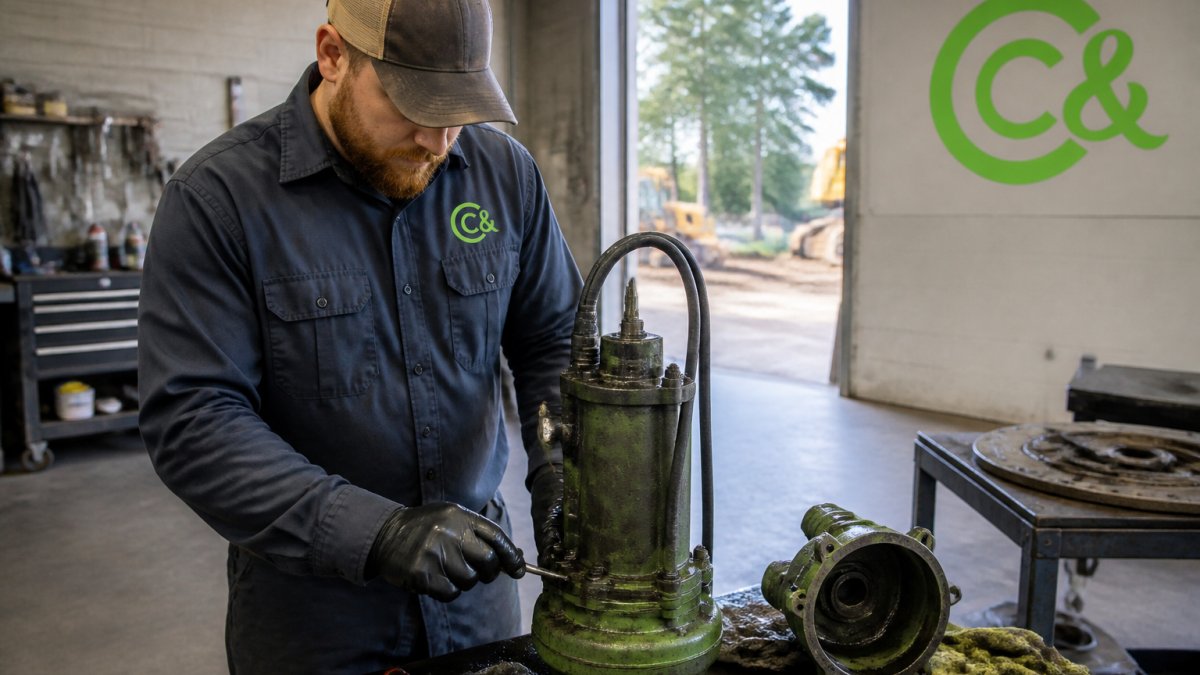
At C & C Environmental Services, our team holds the certifications needed for E/One pump work. We have the right tools, parts, and safety training.
Discharge Pipe Damage and Emergency Response
The discharge pipe is the system's most vulnerable point. It's small, pressurized, and runs underground.
Common damage includes cracks from freeze-thaw cycles, punctures from landscaping work, and separation at joints. Slow leaks may go unnoticed until wet ground appears. Sudden breaks cause immediate backup.
If sewage is actively backing up into your home, turn off the pump breaker and call for emergency service. Do not use toilets or drains.
If you notice wet ground around the pump station but no indoor backup, the leak is still serious. Call for service within 24 hours.
Prevention is simpler. Know where your discharge pipe runs. Mark it clearly. Keep heavy equipment and digging away from that area.
Repair Costs and Service Call Preparation
Professional E/One grinder pump repair costs depend on what's wrong. A simple alarm reset or float switch replacement runs less than a full pump rebuild. Emergency calls cost more than scheduled service.
At C & C Environmental Services, we provide upfront estimates with no surprises. We explain what needs fixing and why. You'll know the cost before work begins.
What to Document Before Calling for Service
Have this information ready when you call:
- Your pump's model number (usually on a label on the motor or control panel)
- When the pump was installed
- What you've noticed (alarms, slow drainage, wet ground, noises)
- When the problem started
- What you've already tried (reset button, breaker check, etc.)
Take photos of any visible damage, wet areas, or alarm messages on the control panel. These details help the technician prepare for the visit.
Understanding Service Labor and Parts
Service calls include diagnosis and repair. The technician will test the pump, check the float switch, inspect the discharge pipe, and identify the root cause.
Parts vary. A replacement float switch costs less than a new pump motor. A discharge pipe repair may require excavation.
Ask about warranty on parts and labor. At C & C Environmental Services, our work is backed 100% by the company.
Emergency calls outside business hours cost more. Scheduling service during regular business hours saves money and gets you on the calendar faster.
Your E/One grinder pump system is built to run quietly for years.
At C & C Environmental Services, we've spent over 20 years keeping sewer and water systems working. If your pump needs attention, contact us today for a no-surprise estimate and expert service you can trust.
Frequently Asked Questions
What are the most common signs that an E/One grinder pump needs repair?
Watch for an alarm that won't silence after pressing reset, continuous running without cycling normally, sewage backup into your home, unusual grinding or squealing sounds from the pump, or visible leaks around the basin. A persistent alarm typically signals a float switch malfunction, blockage, or motor issue. Continuous operation often indicates a check valve failure or discharge line obstruction. Any of these warrants immediate professional inspection to prevent sewage backup and system damage.
Can I reset an E/One grinder pump alarm myself, and when should I stop trying?
Yes, a single reset attempt is safe: locate the reset button on the control panel, press and hold it for 3 seconds, then release. If the alarm silences and doesn't return within 24 hours, normal operation has resumed. However, if the alarm reactivates immediately, persists after two reset attempts, or you hear grinding sounds or smell sewage, stop resetting and call a certified technician. Repeated resets mask serious issues like motor failure or blockage that require professional diagnosis and repair.
How long does an E/One grinder pump typically last, and how do I know when replacement is approaching?
Most E/One grinder pumps operate reliably for 10-15 years with proper maintenance, though some systems reach 20 years or longer. Signs of aging include more frequent alarms, slower discharge cycles, increased vibration or noise, or multiple service calls within a year. If your pump is past 10 years and repairs exceed 50% of replacement cost, replacement is often more economical. A certified technician can assess your model's condition and remaining lifespan during a service call.
What routine maintenance can I perform on my E/One grinder pump to extend its life?
Inspect the control panel monthly for alarm indicators and ensure nothing blocks the pump access cover. Never flush wipes, feminine products, grease, or paper towels down drains, these are the leading cause of blockages. Keep the area around the pump basin dry and free of debris. Have a certified service provider perform an annual inspection of the float switch, check valve, and motor. These simple steps reduce emergency repairs and can extend your pump's operational life by several years.