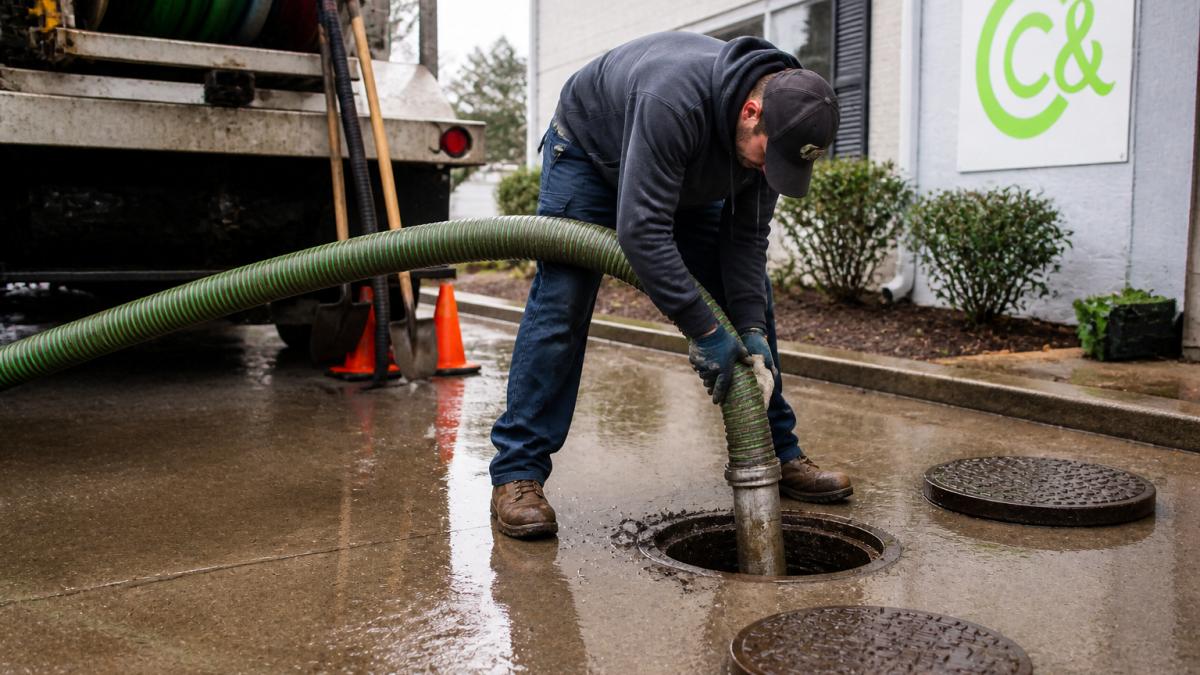
 how-to
How to Fix Recurring Sewer Backups: A 2026 Guide
Table of Contents
- Start Here: What to Do When Sewage Is Backing Up Right Now
- Common Causes of Recurring Sewer Backups
- Warning Signs That a Backup Is Coming Back
- How Sewer Camera Inspection Finds the Real Problem
- When Hydro Jetting a Sewer Line Is the Right Fix
- Sewer Line Repair or Replacement: Choosing the Right Option
- Cleanup, Insurance, and Who Pays for What
- Preventing the Next Backup: Maintenance That Actually Works
- Frequently Asked Questions
Last Updated: October 4, 2026
Start Here: What to Do When Sewage Is Backing Up Right Now
Sewage in your basement or tub means one thing: stop adding water to the system. Right now.
If you want to know how to fix recurring sewer backups, the first step is not repair, it is damage control.
Here is what matters most in the first ten minutes:
- Stop all water use: sinks, showers, toilets, dishwasher, washing machine
- Shut off the main water valve if water keeps rising
- Clear people and pets away from the flooded area
Most homeowners call a plumber during the emergency and skip the diagnosis. That is why the backup returns.
Stop Using Water Immediately
Every fixture drains into one main sewer line. When that line is blocked, water has only one place to go: back toward the house. Stop these sources:
- Toilets
- Showers and tubs
- Sinks and garbage disposals
If water is still rising, shut off the main water supply valve, usually near the water meter or where the main line enters the home.
Block Off the Area and Avoid Chemical Drain Cleaners
Sewage carries bacteria and viruses. Treat any flooded area as contaminated.
- Keep children and pets out
- Wear rubber boots and gloves if you must enter
- Open windows for ventilation
Chemical drain cleaners rarely clear a main line blockage and leave caustic residue that can injure a plumber who snakes or jets the line the next day. Skip them.
Common Causes of Recurring Sewer Backups
A backup that returns is a backup that was never fixed. When the same drain clogs twice in a year, the problem is structural. Here are the causes we find most often.
Tree Roots and Root Intrusion
Roots enter pipes through tiny cracks and joints, then grow into a mass that catches everything else. This is the leading cause of repeat backups in older neighborhoods with mature trees. Snaking cuts the roots, but they grow back. Without addressing the entry point, the backup returns within months.
Grease, Wipes, and Foreign Objects
Grease coats pipe walls and narrows the flow. "Flushable" wipes do not break down. They catch on grease and roots, then form a dam. Common foreign objects we pull out include paper towels, feminine products, dental floss, and kids' toys.
Cracked, Collapsed, or Deteriorating Pipes
Old clay, cast iron, and Orangeburg pipes crack, offset at joints, and collapse over time. A sagging section holds water and debris, creating a permanent slow spot. No amount of snaking fixes a broken pipe.
| Cause | Warning Sign | Typical Fix |
|---|---|---|
| Tree roots | Repeat clogs, gurgling | Cutting plus root treatment or pipe repair |
| Grease and wipes | Slow drains, odor | Hydro jetting, then habit changes |
| Cracked or collapsed pipe | Multiple backed-up fixtures | Spot repair or replacement |
| Sagging pipe (bellies) | Standing water in line | Re-grade or replace the section |
Warning Signs That a Backup Is Coming Back
Most repeat backups announce themselves. The pattern tells you whether you have a fixture clog or a failing main line, two problems with completely different fixes.
The Diagnostic Question That Settles It
Ask one question: when one fixture backs up, do other fixtures in the home also back up, gurgle, or drain slowly at the same time?
- No, only one fixture is affected. You almost certainly have a local clog in that fixture's branch line or trap. A toilet that clogs repeatedly while every other drain runs clear is a toilet problem, not a sewer problem.
- Yes, multiple fixtures react together. You have a main sewer line problem. When the washer drains and the tub gurgles, or flushing one toilet makes another bubble, the blockage is downstream of where those branches join.
Symptom Patterns and What They Usually Mean
| What you observe | What it usually points to |
|---|---|
| One sink or tub drains slowly, others fine | Local clog in that branch or trap |
| Toilet bubbles when washer or shower runs | Main line restriction downstream of the toilet branch |
| Multiple fixtures drain slowly at once | Main line partially blocked |
| Sewage odor at the floor drain or cleanout | Main line blockage or a dry trap allowing gas through |
| Water pooling around the basement floor drain | Main line surcharging, the line is full |
| Backup only after heavy rain | Stormwater infiltration or a surcharging municipal main |
| Backup happens on a schedule, roughly every few months | Roots regrowing, a belly holding debris, or a partial collapse |
The Timing Pattern Matters as Much as the Symptom
A backup that returns on a predictable cycle is a structural problem, not a habit problem. Roots regrow, a sagging section refills with debris, and a cracked pipe catches solids at the same spot every time. If you can predict roughly when the next backup will arrive, the line is not clearing, it is only being temporarily opened.
When to Stop Guessing and Camera the Line
A common rule of thumb among sewer contractors: two main-line clogs within twelve months means it is time to stop snaking and run a camera. A second clog at the same location is strong evidence the underlying cause was never addressed.
What This Means for Your Next Call
When you call a plumber, describe the pattern, not just the symptom. "The tub gurgles when the washer drains, and it has happened three times since spring" gives a technician far more to work with than "my drain is slow." That description often determines whether the visit starts with a snake or a camera, and whether you pay for a temporary clearing or an actual diagnosis.
How Sewer Camera Inspection Finds the Real Problem
A sewer camera inspection is a video examination of your sewer lateral using a waterproof camera on a flexible reel. It shows the exact location, depth, and type of problem.
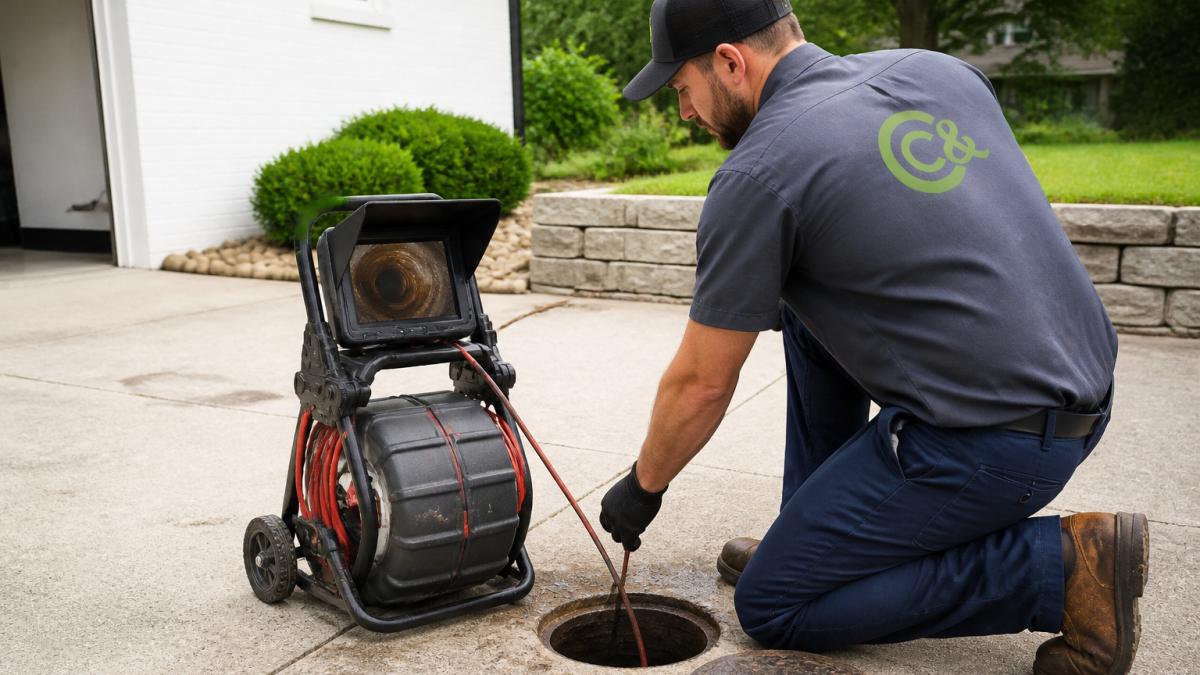
At C & C Environmental Services, our state-of-the-art camera inspections give a full diagnostic picture before anyone quotes a repair.
What the Camera Shows That Snaking Misses
Snaking only proves the line is passable today. It tells you nothing about why it clogged.
The camera reveals:
- Root masses and where they enter
- Cracks, offsets, and collapsed sections
- Grease buildup along the pipe walls
With that footage, the repair decision becomes obvious. Without it, you are guessing.
When Hydro Jetting a Sewer Line Is the Right Fix
Hydro jetting a sewer line uses high-pressure water to scour the full pipe diameter, not just punch a hole through the clog.
Jetting works best for:
- Heavy grease and soap buildup
- Soft root masses
- Sand, silt, and sludge
Jetting is not the right fix for a cracked or collapsed pipe. Blasting water at a broken pipe can make the damage worse. That is why we camera the line first.
Sewer Line Repair or Replacement: Choosing the Right Option
The right repair depends entirely on what the camera found. Matching the fix to the cause is how you stop the backup from returning, and avoid paying for a repair that was never going to hold.
The Repair Options, Compared by What They Actually Do
| Method | Best suited for | Typical lifespan | Disruption |
|---|---|---|---|
| Snaking / cabling | Isolated soft clog, emergency clearing | Weeks to months if cause remains | Minimal |
| Hydro jetting | Grease, sludge, soft roots in a sound pipe | Months to years with maintenance | Minimal |
| Spot repair (open cut) | One crack, one root entry point, one offset | Decades on a healthy line | Moderate, one excavation |
| Trenchless lining (CIPP) | Widespread cracking, joint failures, root infiltration along a run | Often 50 years or more | Low, small access pits |
| Pipe bursting | Collapsed or severely deteriorated line where a new pipe is needed | Comparable to new pipe | Low to moderate |
| Full replacement | Multiple bellies, Orangeburg, widespread collapse | Decades | High, full excavation |
Lifespan figures are general industry expectations, not guarantees. Soil conditions, pipe material, water table, and installation quality all affect how long any repair lasts.
How to Choose: Work From the Diagnosis, Not the Price
The camera footage should make the decision nearly automatic. A few common scenarios:
- One root entry point in an otherwise sound pipe. Spot repair at that joint, or lining that section, is usually the durable answer. Cutting roots without repairing the entry point means they return.
- Roots entering along the entire run through joints. Lining the full run addresses every entry point at once. Repeated spot repairs on a jointed clay line become a series of expensive temporary fixes.
- A single belly holding water and debris. Re-grading or replacing that section is the fix, no amount of jetting keeps a sagging section clear.
What Drives the Cost
Repair pricing varies widely, and no honest contractor quotes a number before seeing the line. These factors move the price up or down:
- Length of pipe involved. A three-foot spot repair and a sixty-foot lining job are not comparable.
- Depth. Deeper lines require more excavation, shoring, and labor.
- Access. A line under a lawn is cheaper to reach than one under a finished driveway, patio, or mature landscaping. Trenchless methods exist largely to avoid this cost.
A responsible contractor will camera the line, mark the problem, and quote the specific repair. A quote that arrives before anyone has seen the inside of the pipe is a placeholder, not an estimate.
Questions Worth Asking Before You Authorize Work
- What did the camera show, and can I see the footage?
- Is this repair addressing the cause or just the symptom?
- What is the expected lifespan of this repair in my soil conditions?
Getting answers to those five questions before work begins is the difference between fixing a recurring backup and paying for the same problem twice.
Cleanup, Insurance, and Who Pays for What
Cleanup is part of the job, not an afterthought. Sewage is a Category 3 water loss, the most contaminated class.
- Remove and dispose of soaked porous materials
- Disinfect hard surfaces with an EPA-registered product (the EPA)
- Document everything with photos before cleanup
On coverage: most homeowner policies cover sudden sewage backup only if you added the endorsement. Standard policies often exclude it.
On responsibility: the sewer lateral from your home to the property line is usually the homeowner's.
Preventing the Next Backup: Maintenance That Actually Works
Prevention is cheaper than a third cleanup. The right routine depends on what the camera found.
- Never flush wipes, even "flushable" ones
- Pour grease into a can, never the drain
- Run hot water after every kitchen use
For homes on septic or grinder pump systems, add an annual pump inspection. Our E/One certified pump installs and repairs cover those systems too.
Frequently Asked Questions
Why does my sewer line keep getting backed up?
Recurring sewer backups almost always point to an underlying problem that snaking or drain cleaning only temporarily clears. The most common causes are tree root intrusion at pipe joints, heavy grease and wipe buildup, and cracked or collapsed pipe sections. If the same drain backs up every few months, a sewer camera inspection is the only way to see which of these is actually causing it. Clearing the blockage without diagnosing the pipe guarantees the backup returns.
How do plumbers diagnose recurring sewer backups?
A proper diagnosis starts with a sewer camera inspection. The technician feeds a camera through the main sewer line and records what it sees: root masses, bellies in the pipe, cracks, offset joints, or debris. That footage identifies the exact location and cause, which determines whether hydro jetting, a spot repair, or full sewer line replacement is the right fix. Without camera footage, any repair is a guess and the problem typically comes back.
Can tree roots cause repeated sewer line backups?
Yes. Tree roots enter sewer laterals through joints and small cracks, then grow into dense masses that catch grease, wipes, and waste. Cutting the roots with a snake removes them temporarily, but they regrow toward the same moisture source. Hydro jetting clears the root mass more completely, and in severe cases the affected section of pipe needs repair or replacement to stop the cycle. Camera inspection confirms how far the roots have spread.
Will homeowners insurance cover sewage backup damage in my house?
Standard homeowners policies usually exclude sewage backup unless you added a sewer backup endorsement or rider. If you have that coverage, document everything before cleanup: photograph standing water, damaged belongings, and affected rooms. Keep receipts for emergency plumbing, water extraction, and disinfection. Most insurers require prompt reporting and may send an adjuster. Check your policy language first, since coverage limits and exclusions vary widely by carrier and state.
A recurring sewer backup is a symptom, not a sentence. The pattern is always the same: emergency, snake, temporary relief, repeat. Breaking that cycle takes a real diagnosis, and that is where we come in. C & C Environmental Services brings over 20 years of experience, state-of-the-art camera inspections, and upfront, honest estimates with no surprise pricing. Our work is backed 100% by the company. Contact us today to find the real problem and fix it for good.