 how-to
How to Compare Utility Contractor Quotes
Table of Contents
- Why Comparing Utility Contractor Quotes Matters
- Step 1: Get Multiple Written Quotes from Utility Contractors
- Step 2: What to Include in a Contractor Quote
- Step 3: Compare Quotes Line by Line for Apples-to-Apples Accuracy
- Step 4: Questions to Ask a Utility Contractor
- Step 5: Utility Contractor Project Timeline and Payment Schedule
- Step 6: Use a Utility Contractor Bid Comparison Checklist
- Red Flags in Contractor Quotes and How to Spot Them
- Frequently Asked Questions
Last Updated: October 7, 2026
Why Comparing Utility Contractor Quotes Matters
The cheapest bid isn't always the best deal. A contractor quoting $2,000 less might be missing critical work, cutting corners on materials, or underestimating scope.
On a sewer line replacement, septic repair, or water infrastructure job, the difference between a thorough estimate and a rushed one can cost thousands in unexpected repairs.
This is where you need to compare utility contractor quotes line by line, which becomes essential.
Step 1: Get Multiple Written Quotes from Utility Contractors
Never hire based on a phone or verbal quote. Get written documentation from at least three qualified contractors before deciding.
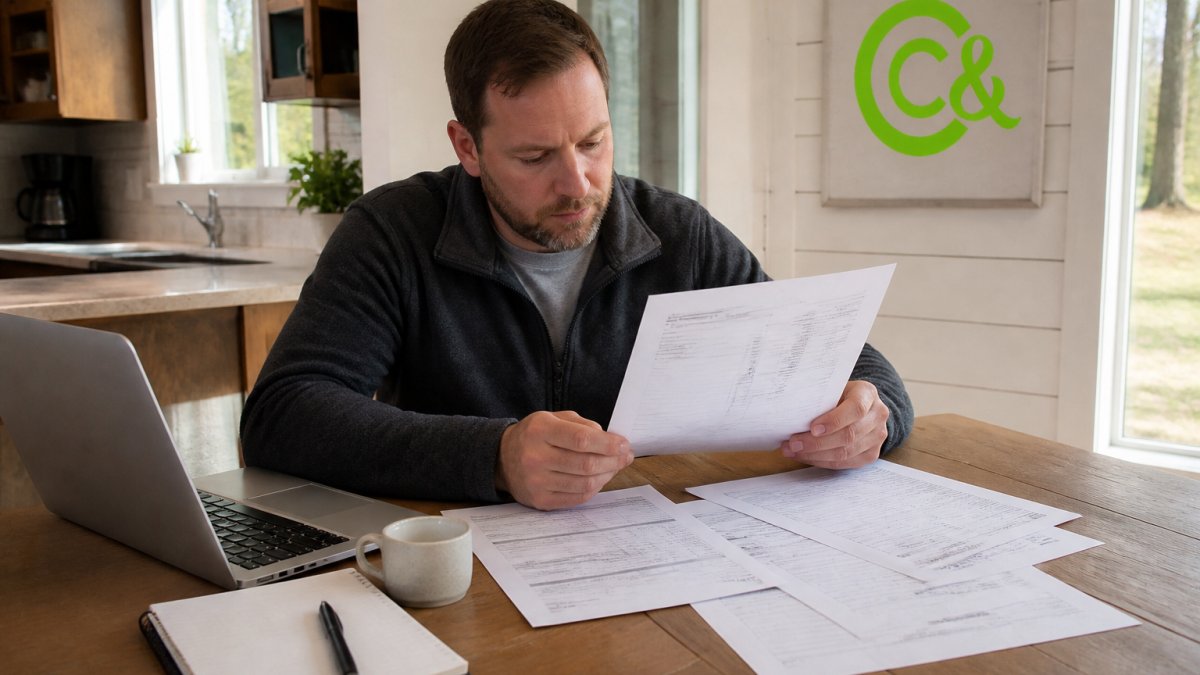
Start by identifying contractors who specialize in your type of work, sewer line repair, or septic diagnostics and repair.
Request an on-site inspection from each.
Ask for each quote in writing before deciding. Written quotes are binding, give you something concrete to compare, and document exactly what work will be performed.
Step 2: What to Include in a Contractor Quote
A complete quote contains far more than a single dollar amount. Each estimate needs line items so you can compare apples to apples.
Scope of Work and Line-Item Breakdown
The scope of work describes exactly what the contractor will and will not do. A vague scope ("repair sewer line") is useless for comparison; a detailed one breaks the work into specific tasks.
A proper scope of work for a sewer line project might include:
- Site assessment and underground utility locating
- Excavation and trenching to expose the problem area
- Removal of damaged pipe and debris
- Installation of new pipe or repair material
Each line item should have a description, quantity, unit price, and total cost, so you can see where costs come from and where bids differ.
Material Specifications and Quantities
Materials make up a significant portion of utility work costs. The estimate should specify which materials, in what quantities, at what cost per unit.
For example, a sewer line replacement estimate should state:
- Type of pipe (PVC, cast iron, clay, etc.)
- Pipe diameter and length in linear feet
- Bedding material type and quantity
- Backfill material type and quantity
"Pipe installation" without material specs is a red flag. You can't compare quotes if one contractor uses premium materials and another budget alternatives. Detailed specs let you decide whether the quality difference justifies the price.
Labor Costs and Site Preparation
Labor costs should be broken out separately from materials, indicating:
- Crew members required
- Estimated hours or days
- Hourly or daily rate
- Site preparation costs (protecting landscaping, moving obstacles)
Site preparation and restoration are where contractors often cut corners. One might include full cleanup and landscaping restoration; another might leave you with a trench and bare ground. The written quote should make this clear.
Step 3: Compare Quotes Line by Line for Apples-to-Apples Accuracy
With three detailed written estimates in hand, when you compare utility contractor quotes line by line, it reveals where contractors differ in scope, materials, and labor.
Start by listing each line item from all three quotes in a spreadsheet. Put each contractor's version of the same work side by side. For example:
| Work Item | Contractor A | Contractor B | Contractor C |
|---|---|---|---|
| Excavation & trenching | $1,200 | $1,500 | $1,100 |
| Pipe removal | $400 | $400 | $350 |
| PVC pipe install (100 ft) | $2,000 | $2,200 | $1,800 |
| Backfill & restoration | $600 | $800 | $500 |
| Permits & inspections | $350 | $350 | $0 |
| Total | $4,550 | $5,250 | $3,750 |
Now the real differences show. Contractor C is cheaper overall, but excludes permits and inspections, a major omission that will come back to haunt you.
Identify Exclusions and Missing Work
Every quote should have an "Exclusions" or "Not Included" section listing what the contractor will NOT do. Common exclusions:
- Permits and permit fees
- Inspections by the city or utility company
- Utility locating and marking
- Removal of underground obstacles
If a quote doesn't list exclusions, ask directly. Missing work is how contractors stay under budget, they simply omit tasks they expect to be needed.
Flag major differences in exclusions. If Contractor A includes permits but B doesn't, that's a $300-500 difference to account for. If C excludes utility locating and you know utilities are present, add that cost mentally when comparing.
Verify Unit Pricing and Quantity Reconciliation
Unit pricing is where contractors often hide differences. Compare price per unit across contractors for the same material or service.
For example, if all three contractors are installing 100 feet of 4-inch PVC pipe:
- Contractor A: $20 per foot = $2,000
- Contractor B: $22 per foot = $2,200
- Contractor C: $18 per foot = $1,800
These differences may reflect material quality, labor efficiency, or profit margins, but they should make sense. If one unit price is drastically lower, ask why, cheaper material grade?
Verify quantities match reality. If your property needs 150 linear feet of trenching but one contractor quoted 100, their estimate is incomplete, a miscalculation or less work than necessary.
Step 4: Questions to Ask a Utility Contractor
After reviewing the written quotes, you should have specific questions for each contractor. Their answers reveal how well they understand your project and how transparent they are about risk.
Underground Work and Risk Allocation
Underground utility work carries inherent risks, unexpected obstacles, unforeseen site conditions, utility conflicts, that add time and cost. A good contractor explains how they've accounted for these in their estimate.
Ask these questions:
- What site conditions did you observe during your inspection?
- Did you locate and mark all underground utilities? What did you find?
- What underground obstacles or complications do you anticipate?
- If we hit something unexpected, how is that handled? Is there a contingency allowance?
- What's your process for stopping work and calling for additional utility locating if needed?
Vague answers mean the contractor hasn't done their homework and may hit you with change orders mid-project.
Permits, Inspections, and Utility Coordination
Utility work almost always requires permits and inspections. Who handles and pays for them?
Ask:
- Will you pull the permits, or do I need to?
- Are permit fees included in your quote?
- What inspections are required for this project?
- How do you coordinate with the utility company (water department, sewer authority, etc.)?
- If the utility company requires additional work or modifications, how is that handled?
Utility coordination is a major part of utility contractor work. If your contractor doesn't mention it, they're not thinking about it, and that's a problem.
Step 5: Utility Contractor Project Timeline and Payment Schedule
A complete estimate includes more than cost, it specifies when work will happen and how payment is structured.
The project timeline should include:
- Start date (once permits are approved)
- Estimated duration in days or weeks
- Completion date
- Any weather or seasonal dependencies
- Milestones where inspections or utility company sign-offs are required
The payment schedule should specify:
- Deposit amount (typically 10-25% of total cost)
- When deposit is due
- When balance is due (upon completion, after inspection, etc.)
- Whether the contractor accepts payment plans or financing
- What happens if the project takes longer than estimated
Ask about payment contingencies. Some contractors require full payment before final inspection; others accept payment after the city or utility company signs off. Payment terms affect your risk, don't pay in full before the work is verified complete and correct.
Step 6: Use a Utility Contractor Bid Comparison Checklist
A systematic approach prevents overlooked details. Use this checklist for each quote:
Scope & Completeness
- Quote includes detailed line-item breakdown (not lump-sum)
- Scope of work clearly describes what will and won't be done
- Site preparation and restoration are included or clearly excluded
- Permits and inspections are listed as included or excluded
- Utility locating and marking are addressed
Materials & Specifications
- Specific material types are named (not generic descriptions)
- Material quantities are listed in measurable units (linear feet, tons, etc.)
- Material grades or quality standards are specified
- Unit pricing is clear (price per foot, per day, etc.)
Labor & Costs
- Labor costs are separated from material costs
- Estimated duration is provided
- Site preparation and cleanup costs are listed
- Contingency or allowance for unforeseen work is addressed
Permits & Compliance
- Permit requirements are documented
- Permit fees are included or excluded
- Inspection requirements are listed
- Utility coordination process is explained
Terms & Timeline
- Project start and completion dates are specified
- Payment schedule is documented
- Deposit amount is reasonable (10-25%)
- Warranty or guarantee terms are stated
Contractor Credentials
- License number is provided
- Insurance information is included
- References from similar projects are available
- E/One certification (if applicable) is documented
Red Flags in Contractor Quotes and How to Spot Them
Certain warning signs mean a bid should be rejected or questioned further.
The Significantly Low Bid
Vague Scope of Work
Missing Exclusions Section
A professional quote always lists what's NOT included.
No Material Specifications
Contingency Language That's Too Broad
Phrases like "additional charges may apply for unforeseen conditions" are too vague.
No References or Credentials
A contractor who won't provide references or documentation of licenses and certifications is a major red flag.
Pressure to Decide Quickly
Legitimate contractors understand you need time to compare quotes and decide.
Frequently Asked Questions
What should a utility contractor quote include?
A complete utility contractor quote must include a detailed scope of work broken down by line items, material specifications with brand names and quantities, labor costs, site preparation and excavation details, permit and inspection fees, utility locating and coordination costs, contingency allowances, exclusions and assumptions, payment schedule, project timeline, insurance and license information, and warranty terms. This ensures you can compare quotes accurately and avoid surprise costs.
How do you compare utility contractor quotes line by line?
Create a spreadsheet listing each line item from all quotes side by side. Verify that material specifications, quantities, and unit pricing match across quotes. Check for exclusions or missing work that some contractors omitted. Compare labor costs, site preparation, and cleanup charges. Identify pricing gaps by calculating total project cost for each quote. Ask contractors to clarify any differences in scope before making your decision.
What questions should you ask before accepting a utility contractor quote?
Ask about underground utility locating procedures, how the contractor handles unexpected discoveries during excavation, what permits and inspections are required, who coordinates with utility providers, payment terms and deposit requirements, project timeline and completion date, warranty coverage, insurance and licensing details, and what happens if problems arise after completion. Request references from similar projects and verify their track record on comparable work.
Why is the lowest bid not always the best choice?
A low bid often indicates missing work, lower material quality, or inadequate site preparation. Padded bids from other contractors may include unnecessary contingencies or inflated labor costs. Compare total project cost against scope completeness rather than choosing the lowest number. Verify that all quotes address the same work, including underground surprises, permits, and inspections. A bid that seems significantly lower than others warrants clarification on what's excluded.
The right utility contractor quote gives you confidence that the work will be done correctly, on time, and within budget. By comparing multiple written estimates line by line, asking tough questions about scope and risk, and using a systematic evaluation process, you can make a decision based on value rather than just price. Contact C & C Environmental Services today to discuss your utility project and get a detailed, honest estimate you can trust.