 listicle
Certified E/One Pump Installation Services
Table of Contents
- What Certified E/One Pump Installation Services Include
- How to Verify Installer Certification and Authorization
- E/One Grinder Pump Installation: Scope and Project Process
- E/One Pump Repair and Maintenance Services
- Grinder Pump Life Expectancy and When to Replace
- Sewer Grinder Pump Installation Cost: What Affects Your Quote
- Installer Selection Criteria and Questions to Ask
- Warranty, Maintenance, and Post-Installation Support
- Frequently Asked Questions
Last Updated: October 12, 2026
What Certified E/One Pump Installation Services Include
Certified E/One pump installation services properly integrate grinder pump systems into your home's wastewater infrastructure. A certified E/One pump installation involves site assessment, equipment sizing, discharge piping configuration, electrical connections, alarm panel setup, and system testing to ensure everything works from day one.
A grinder pump installation is a significant investment in your property's long-term infrastructure reliability. The scope includes evaluating your property's conditions, determining the right pump model for your wastewater volume, installing the pump station, connecting discharge lines to the municipal sewer system, and programming the alarm panel. Improper installation can lead to costly repairs, system failures, and potential environmental violations.
What sets certified installations apart from DIY or unlicensed attempts is adherence to manufacturer specifications and local building codes. A certified installer has been trained by E/One, understands the technical requirements of different pump models (like the 2000 Series), and knows how to handle site-specific challenges like frost lines, soil conditions, and discharge line routing. Installation also includes documentation and warranty registration.
How to Verify Installer Certification and Authorization
Not every contractor claiming to install E/One pumps is actually certified. To confirm credentials, check E/One's official Distributor Locator tool, which maintains a current list of authorized service centers. You can access this through E/One's certified-service information page or call their U.S. toll-free number at 1-866-539-9803 to request local providers.
When you contact a potential installer, ask directly: "Are you an E/One certified installer?" A legitimate response includes specific training credentials and an authorization number or distributor status. Many authorized distributors maintain their own service networks, so the installer may work for or partner with an authorized distributor rather than being independently certified. This is acceptable as long as the distributor is verified through E/One's official channels.
Request references from recent installations in your area. A certified installer should provide at least three homeowner references from the past two years. Ask about the quality of work, whether the estimate matched the final invoice, and whether the system has operated reliably.
E/One Grinder Pump Installation: Scope and Project Process
The installation process for an E/One grinder pump system typically spans one to three days, depending on site conditions and complexity. Understanding what happens helps you prepare your property and set realistic expectations.
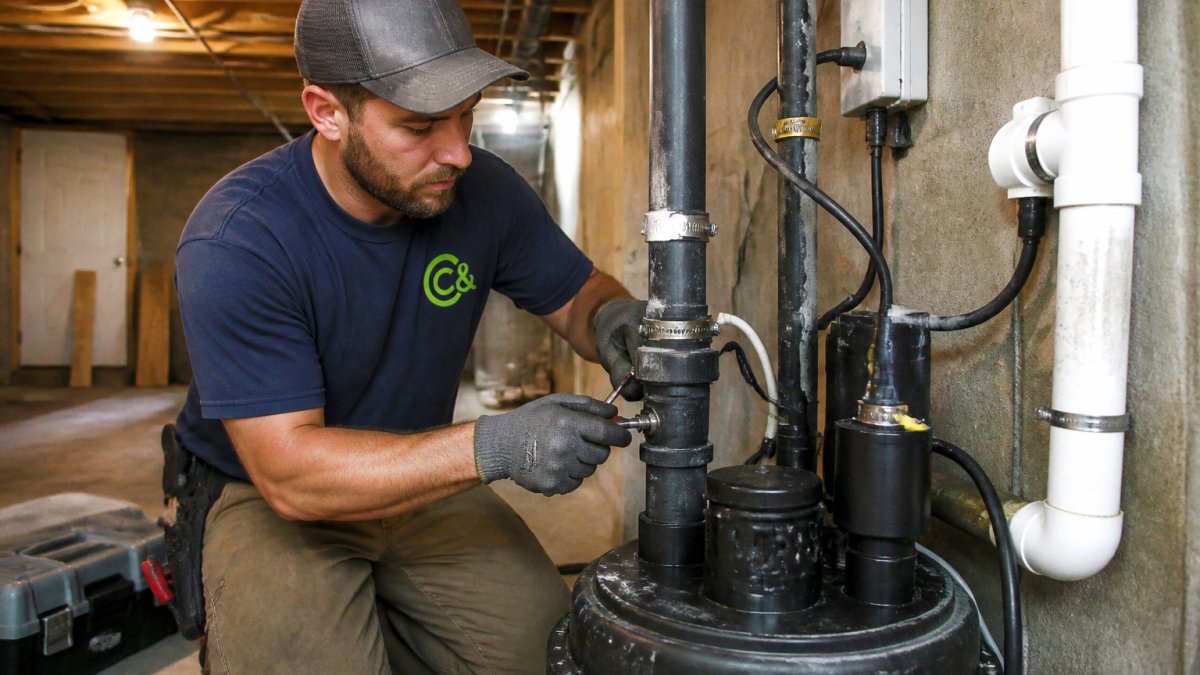
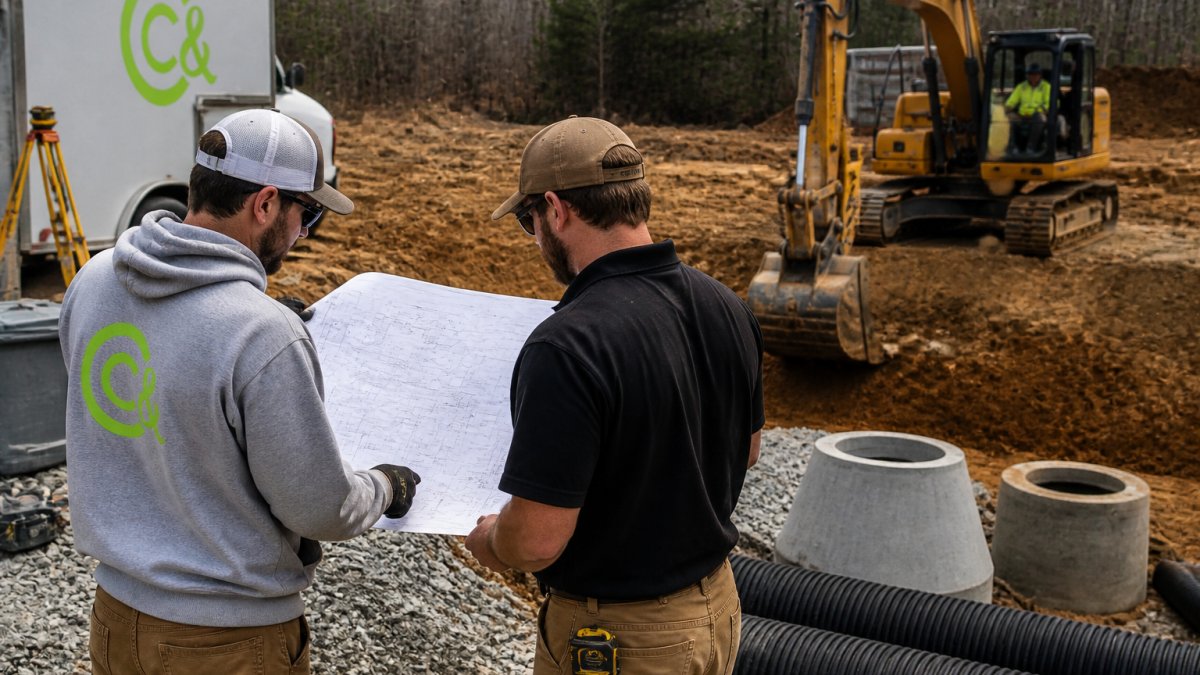
The first step is site preparation. They evaluate soil conditions, frost depth, proximity to the main sewer line, and electrical access, which determines whether additional excavation is necessary.
Next comes the pump station installation. The certified installer positions the pump unit, installs the Uni-Lateral assembly (the internal piping that routes wastewater through the pump), and connects the discharge piping that carries wastewater uphill to the municipal sewer connection.
Electrical and alarm panel setup follows. The installer connects the pump to a dedicated electrical circuit (typically 240 volts), installs the alarm panel, and programs it to alert you to high-level conditions, pump failures, or other faults.
Finally, the installer tests the entire system under load: running water through it, verifying pump activation, checking alarm response, and confirming discharge pressure and flow rates. A certified installer provides written documentation of the test results and explains how to monitor and maintain the system.
E/One Pump Repair and Maintenance Services
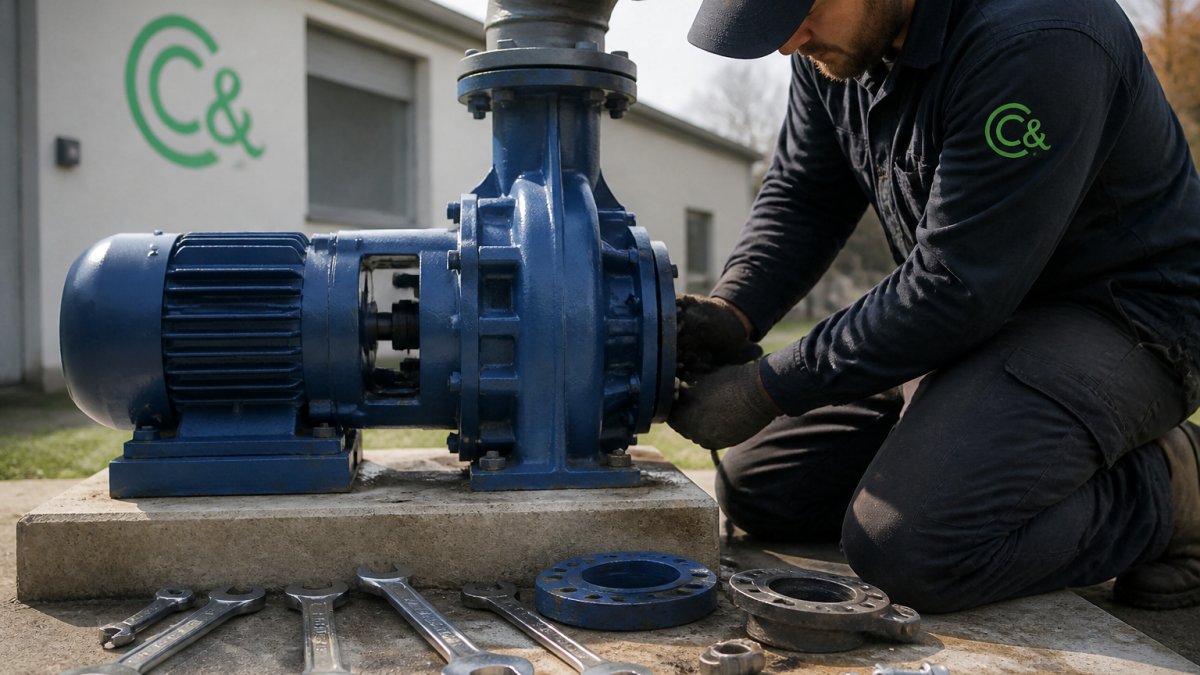
Grinder pump systems require ongoing maintenance to operate reliably. Certified E/One pump repair services address mechanical failures, electrical problems, alarm malfunctions, and wear-related issues that develop over time.
Common repair needs include pump seal failures (which cause leaking), motor burnout from overload or electrical issues, impeller damage from foreign objects, and check valve failures that allow backflow. Many develop gradually, which is why the alarm panel is critical: it detects high-level conditions before the system fails completely.
A certified repair service begins with diagnostics: the technician inspects the pump station, checks electrical connections, tests the alarm panel, and reviews operational history. This identifies the root cause rather than simply replacing parts. Some apparent pump failures are actually caused by discharge line blockages, improper grading, or electrical issues, not the pump itself.
Maintenance services typically include annual or semi-annual inspections, pit cleaning, alarm testing, and replacement of wear items like seals or gaskets before they fail. Preventive maintenance costs far less than emergency repairs.
Grinder Pump Life Expectancy and When to Replace
Most E/One grinder pump systems have a design life expectancy of 15 to 20 years with proper maintenance. Actual lifespan depends on usage patterns, water quality, maintenance frequency, and whether the system is properly sized for your household's wastewater volume.
A pump that is undersized for your home's water usage works harder and fails sooner. If your household regularly exceeds the pump's rated capacity, the motor runs continuously, seals wear faster, and component failure accelerates. A properly sized pump often lasts 20+ years.
Signs that replacement may be approaching include frequent alarm activations, reduced discharge pressure, unusual noises, or visible corrosion on the pump housing. If your pump is over 15 years old and has required multiple repairs in recent years, replacement often makes economic sense: a new system costs more upfront but eliminates the uncertainty of an aging system and restores full capacity.
When replacement becomes necessary, a certified E/One pump installation service handles the complete system swap: removal of the old pump, installation of the new unit, electrical reconnection, alarm panel programming, and system testing. This is an ideal time to upgrade to a newer, more efficient pump model if your needs have changed.
Sewer Grinder Pump Installation Cost: What Affects Your Quote
Several factors determine the cost of a certified E/One pump installation. The most significant cost drivers are site conditions, pump model selection, discharge line routing complexity, and local labor rates.
Site conditions have the largest impact on installation cost. Extensive excavation, rock removal, or discharge line routing around obstacles increase costs substantially. A straightforward basement installation with direct access to the main sewer line costs far less than one requiring 100+ feet of discharge piping, multiple elevation changes, or boring under structures. Soil type, frost depth, and drainage all factor into the complexity assessment.
Pump model selection affects cost. Larger capacity pumps for high-volume or commercial applications cost more than residential models, but selecting the wrong size, too small or oversized, creates problems. A certified installer recommends the appropriate model based on household size, water usage patterns, and wastewater volume, not simply the cheapest option.
Discharge line configuration is another significant variable. Simple above-ground lines cost less than buried lines requiring trenching, gravel bedding, and frost protection. Lines that cross property lines or navigate obstacles cost more, and longer runs require more materials and labor.
Local labor rates and material costs vary by region: a certified E/One pump installation in a rural area may cost less than the same work in an urban market. Material and installer availability also influence pricing.
Installer Selection Criteria and Questions to Ask
Choosing the right certified installer requires more than finding someone on a list. The right installer brings experience, transparency, accountability, and commitment to your system's long-term reliability. Ask these essential questions during your initial consultation.
Ask about experience and local knowledge. How many E/One pump installations has the installer completed, and how many were in your area or with similar property conditions?
Ask about their diagnostic process. How will they assess your property before quoting? A thorough installer visits your site, evaluates soil conditions, checks sewer line access, and reviews local codes before estimating costs. An installer who quotes over the phone is cutting corners.
Ask about warranty and post-installation support. What warranty does the installer provide on their work, for how long, and what's covered? A certified installer backed by the company should offer confidence in their workmanship.
Ask about transparency on pricing. Will the installer provide an itemized, detailed estimate, and are there potential additional costs if site conditions change? A reputable installer provides upfront, honest estimates with no surprise pricing.
Ask about their relationship with E/One. Are they an authorized distributor, a certified installer, or both, and how current is their training? E/One updates pump models and installation requirements periodically, so an installer who hasn't updated their knowledge in five years may miss best practices or new code requirements.
Warranty, Maintenance, and Post-Installation Support
The value of a certified E/One pump installation extends beyond the day the system starts operating. Ongoing support, warranty coverage, and maintenance determine whether your system remains reliable for its full design life.
A legitimate certified installer provides written warranty documentation specifying coverage terms, duration, and what's included. Typical warranties cover defects in workmanship for one to five years, depending on the installer and components.
Post-installation support includes responsive service when problems arise. If your alarm panel alerts you to a high-level condition at 2 a.m. on a weekend, can you reach your installer?
Maintenance support is the most valuable form of post-installation service. A certified installer can perform annual or semi-annual inspections, clean the pump station pit, test the alarm system, and replace wear items before failure occurs. This preventive approach catches problems early and extends system life.
Ask your installer about maintenance packages before signing the installation contract. Understanding the cost and frequency of recommended maintenance helps you budget for long-term reliability, and an installer who offers transparent maintenance pricing demonstrates commitment to your system's continued operation.
Grinder pump system failures create emergencies that disrupt your home or business and carry significant repair costs. We provide upfront, honest estimates with no surprise pricing, so you know exactly what to expect. Contact us today to discuss your E/One pump installation or repair needs and protect your property's long-term infrastructure reliability.
Frequently Asked Questions
What does E/One pump installer certification mean?
E/One certification means an installer has completed manufacturer training, understands the grinder pump system design, and is authorized to install and service E/One equipment to factory standards. Certified installers have demonstrated knowledge of proper discharge piping, alarm panel setup, low-pressure sewer system operation, and local permit requirements. This certification protects you by ensuring your system meets E/One specifications and performs reliably for years.
How do I find a certified E/One pump installer in my area?
Use E/One's Distributor Locator at eone.com/sewer-systems/knowledge/certified-service or call 1-866-539-9803 to connect with an authorized service center. Ask potential installers directly whether they hold current E/One certification and how long they have been installing grinder pump systems. Request references from recent installations in your region and verify their licensing and insurance coverage before signing any agreement.
What should I ask before hiring an E/One pump installation company?
Ask whether they are factory-certified by E/One, how many installations they have completed, what their warranty covers, whether they pull required permits, and if they provide upfront written estimates with no hidden charges. Request clarification on the installation timeline, site preparation responsibilities, and what happens if problems arise after installation. Confirm they carry liability insurance and will back their work in writing.
How long does an E/One grinder pump typically last?
An E/One grinder pump system can last 15 to 20 years or longer with proper maintenance and timely repairs. Lifespan depends on usage frequency, water quality, regular servicing, and how quickly problems are addressed. Systems that receive annual inspections and prompt repair of worn components tend to reach the upper end of this range. Neglected systems or those in harsh conditions may require earlier replacement.
What factors affect sewer grinder pump installation cost?
Installation cost depends on site conditions, depth to the discharge line, terrain difficulty, distance to the connection point, whether permits are required, and local labor rates. Basement installations typically cost less than outdoor stations in rocky or wet soil. Additional discharge piping, site grading, and unforeseen underground obstacles can increase the price. Request quotes from multiple certified installers to compare pricing and scope for your specific property.