 how-to
8 Signs of Failing Septic Systems to Watch For Now
Last Updated: November 2, 2026
Quick Summary
Failing septic systems often show slow drains, gurgling pipes, sewage backups, sewage odors, and soggy or unusually green ground over the drain field. Several fixtures slowing at once usually points to the septic system rather than a single clog. Acting early generally costs less than waiting for a full failure.
- Several fixtures slowing or gurgling at the same time suggests the septic system, not one clogged drain.
- A sewage smell or pooling water over the drain field signals trouble.
- Common backup causes include a tank not pumped in years and roots in pipes.
- Pump the tank periodically and inspect the system at least once a year.
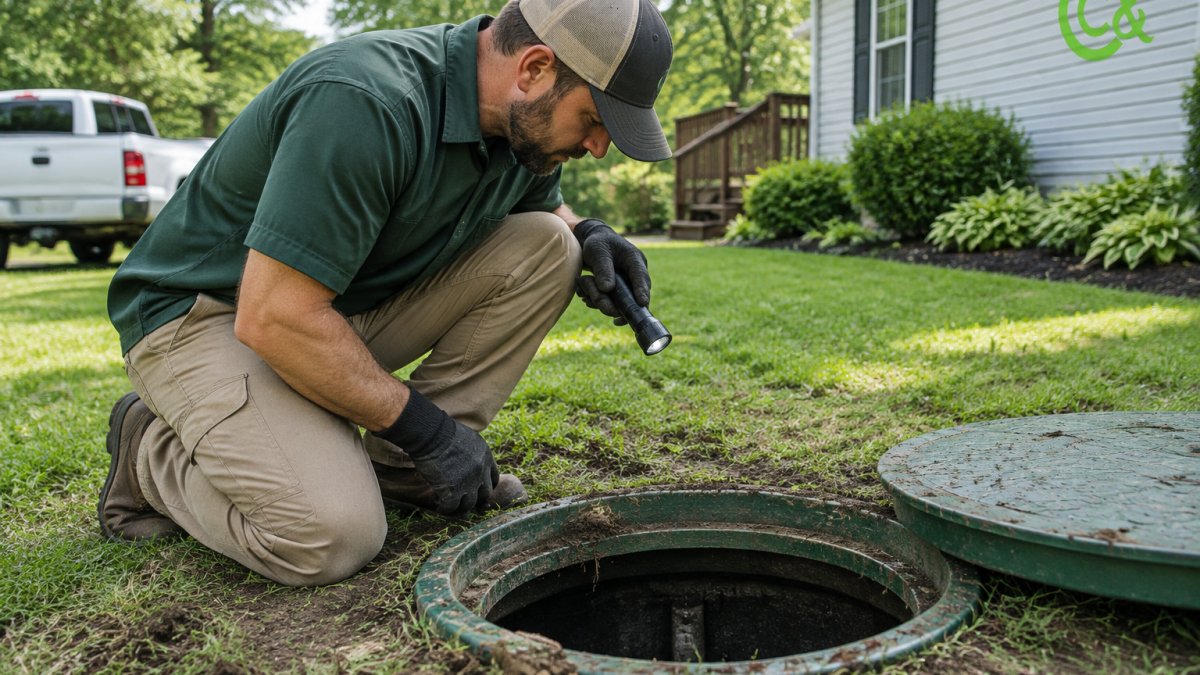
- Do not open the tank lid yourself; leave access to a qualified technician.
Table of Contents
- Indoor Warning Signs: Slow Drains, Gurgling Pipes, and Backups
- Outdoor Warning Signs: Odors, Standing Water, and Lush Grass
- What Causes a Septic System Backup?
- Septic Failure or Ordinary Plumbing Problem? How to Tell
- How a Professional Inspection Diagnoses the Problem
- Septic Tank Maintenance and Inspection Schedule
- Call a Septic Professional Before Small Problems Become Failures
- Frequently Asked Questions
Failing septic systems rarely announce themselves all at once. A slow drain here, a faint sewage smell there, and most homeowners assume it is a simple clog. Catching these signs early can limit repair costs and protect your family's health. The pattern is almost always the same: the warnings came first.
A septic system is a buried, underground treatment setup. Wastewater flows from your home into a tank, where solids settle and bacteria start breaking them down. The liquid then drains into a drain field, also called a leach field, where the soil filters it. When any part of that chain breaks down, untreated sewage can back up into your home or seep onto your property.
The sooner you act, the less it costs. If you are still deciding whether to connect to city sewer or keep a septic tank, understanding your options can help you choose. A pumped tank or a minor drain field repair is generally less costly than replacing an entire system. Waiting also raises the risk of sewage reaching groundwater, which is a health concern for everyone on the property.
Watch out: Ignoring a sewage smell or repeated backups can turn a repair into a full system replacement within months.
Here is what this guide covers:
- The indoor and outdoor warning signs that point to septic trouble
- How a backup starts and what causes it
- How to tell a septic problem from an ordinary plumbing clog
- What a professional inspection involves
- A simple maintenance schedule to prevent future failures
Indoor Warning Signs: Slow Drains, Gurgling Pipes, and Backups
Slow drains are often the first clue inside the house. A sink, tub, or shower that drains sluggishly may mean the tank is filling faster than it empties, or the drain field is no longer absorbing liquid well.
Gurgling sounds in your plumbing are another common signal. Air bubbles moving through pipes can mean wastewater cannot leave the system freely.
Backups are the most serious indoor sign. Watch for: early warning signs of pump or system problems
- Sewage rising in toilets, tubs, or floor drains
- Multiple fixtures slowing down at the same time
- Toilets that flush poorly or refill slowly
If more than one fixture is affected at once, the problem is likely in the septic system, not a single drain line.
Outdoor Warning Signs: Odors, Standing Water, and Lush Grass
Outside, the signs are easier to miss but just as important. A rotten-egg or sewage smell near the tank or drain field is a strong warning. Pooling water or soggy ground over the drain field also points to trouble, because effluent is rising to the surface instead of soaking into the soil.
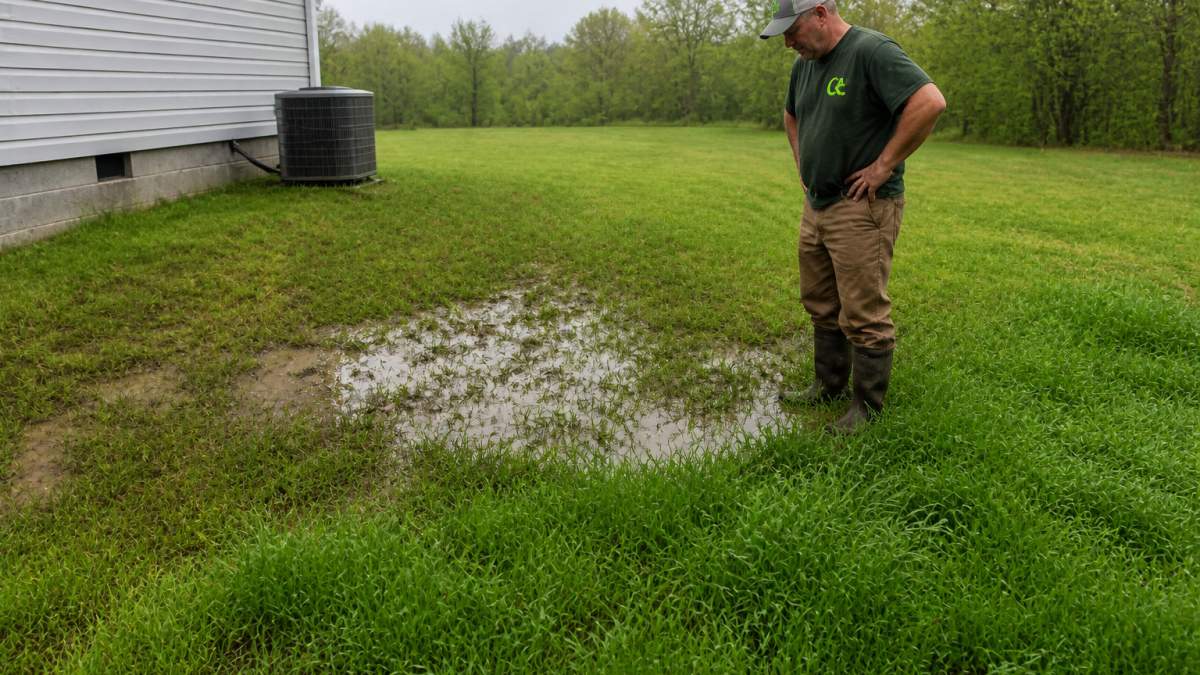
Unusually green or lush grass over the drain field can look healthy, but it often means extra nutrients are leaking out of the system. Sewage surfacing near the tank is an emergency and needs immediate attention.
What Causes a Septic System Backup?
Most backups have a few common causes:
- A full tank that has not been pumped in years
- A clogged or failing drain field that cannot absorb liquid
- Roots from nearby trees growing into pipes
- Too much water entering the system at once
Weather and water use matter too. Heavy rain saturates the soil, leaving the drain field with nowhere to send water. Running laundry, dishwashers, and long showers on the same day adds to the load.
A common mistake is assuming a backup is caused by one bad habit. In practice, several small factors usually combine to overwhelm the system.
Septic Failure or Ordinary Plumbing Problem? How to Tell
Not every slow drain means a failed septic system, and treating a single clog like a system failure wastes money.
One fixture only. If a single sink, tub, or toilet drains slowly while everything else in the house runs normally, the clog is almost always in that fixture's own trap or branch line. A plunger or hand snake usually clears it.
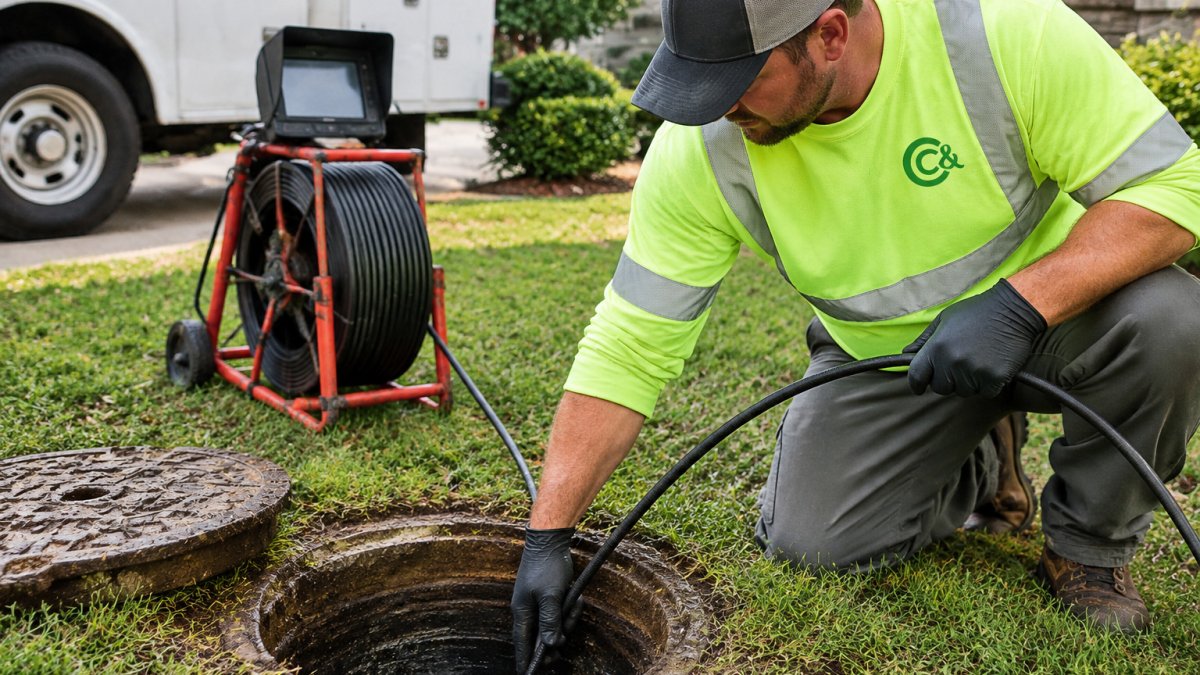
Several fixtures on the same floor. When a sink and a tub in the same bathroom both slow down, the blockage is likely in the shared building drain before it leaves the house. A drain snake or a plumber's camera is the right next step.
Fixtures throughout the house, especially the lowest ones. If the basement floor drain, the downstairs toilet, and the kitchen sink all gurgle or back up together, the problem is downstream of the house, the tank, the outlet, or the drain field.
Toilets that flush weakly but sinks drain fine. A toilet that bubbles or refills slowly while sinks are normal often signals a venting problem or a partial blockage in the main line, not a full tank.
Odors with no backup. A sewage smell outdoors near the tank or drain field, with no indoor backup, usually means a tank lid, baffle, or riser issue, or effluent surfacing in the drain field.
Symptoms that return after clearing. If a clog clears and comes back within days, the cause was never the clog. Recurring backups at the same fixture are a classic sign that the tank is full or the drain field is saturated.
When the pattern points to the tank or drain field, stop running water, avoid flushing, and call a septic professional. Do not keep plunging a system-wide backup; you can push sewage further into the drain field and make the repair larger.
A simple rule of thumb many technicians use: one fixture is plumbing, several fixtures is the building drain, and the whole house plus the yard is the septic system. Match your symptoms to that ladder before you spend money.
How a Professional Inspection Diagnoses the Problem
A useful inspection is a sequence of checks, not a single glance into the tank. Knowing what a technician looks at helps you ask better questions and understand the estimate you receive.
1. Records and history. The technician starts with the tank size, last pump-out date, and any prior repairs. If you keep a log of pumping and inspection dates, this step goes faster and the diagnosis is more accurate.
2. Tank condition and levels. The lid is opened and the technician measures the scum layer, the clear zone, and the sludge depth. A sludge layer that is too deep means the tank needs pumping before any other diagnosis is reliable. Baffles and the outlet tee are checked for cracks, missing parts, or blockages, a failed baffle lets solids escape into the drain field and is a common hidden cause of drain-field failure.
3. Flow test. Water is run through the system to confirm it moves from the house to the tank and out to the distribution box at a normal rate. Slow movement here points to a blockage or a saturated drain field.
4. Distribution components. The technician inspects the distribution box and any pumps or lift stations for level, function, and signs of solids carryover. A pump that runs but does not move effluent is a different repair than a clogged line.
5. Drain-field performance. The technician looks for surfacing effluent, soggy ground, and unusually green strips over the field. Where accessible, the field is checked for ponding in the distribution laterals. This is the step that separates a tank problem from a drain-field problem.
A camera inspection can show whether roots, bellies, or collapsed pipe are involved when symptoms are ambiguous.
Ask for a written estimate before work begins, and confirm what it includes, such as digging, pumping, or parts. A clear scope helps prevent unexpected charges once excavation starts.
**
Septic Tank Maintenance and Inspection Schedule
Routine care is the best defense against failure. Most households benefit from:
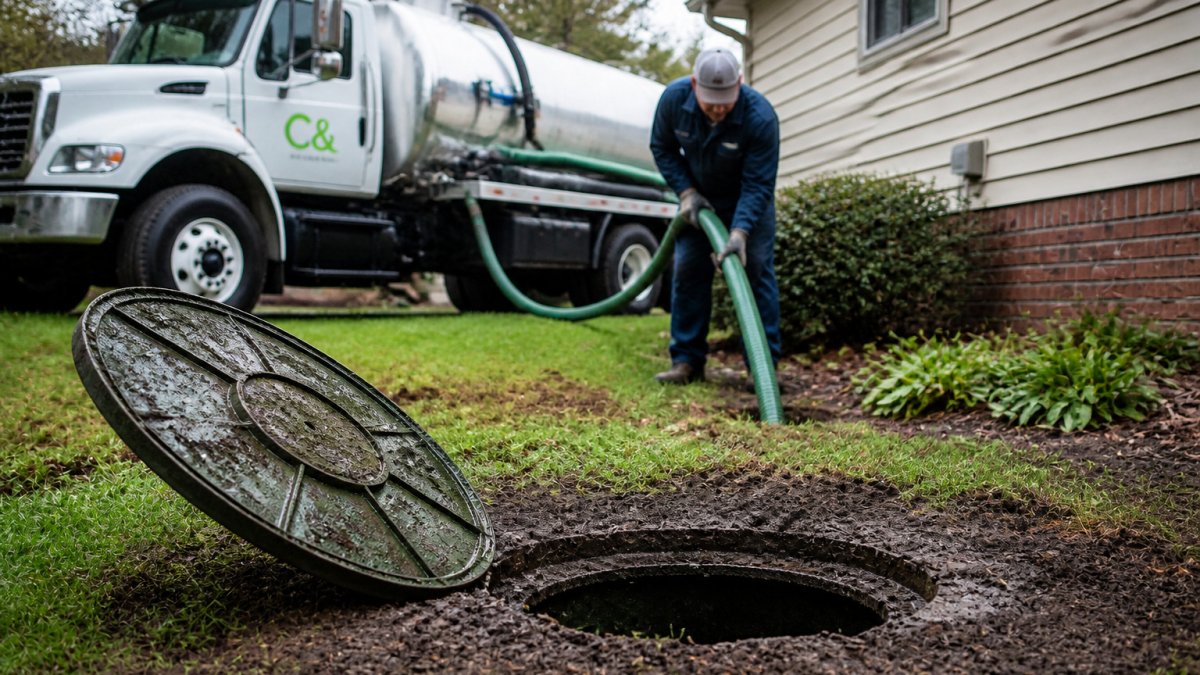
- Having the tank pumped periodically, depending on household size and tank capacity
- Inspecting the system at least once a year
- Spreading out laundry and water use to avoid overloading the tank
- Keeping trees and deep-rooted plants away from pipes and drain fields
- Never flushing wipes, grease, or chemicals that harm bacteria
Keep a simple log of pumping and inspection dates. It helps you spot patterns and gives technicians useful history. For more detailed guidance, see our septic care resources.
Routine care is the best defense against failure. Here is a quick reference for the habits that prevent it.
| Habit | Why it matters | How often |
|---|---|---|
| Pump the tank | Prevents solids from reaching the drain field | Periodically, based on household size and tank capacity |
| Inspect the system | Catches problems early | At least once a year |
| Spread out water use | Avoids overloading the tank | Daily |
| Keep trees and deep-rooted plants away | Protects pipes and drain fields from roots | Ongoing |
| Avoid wipes, grease, and chemicals | Protects the bacteria that break down waste | Always |
| Keep a pumping and inspection log | Helps spot patterns and aids technicians | Update after each service |
Call a Septic Professional Before Small Problems Become Failures
If you recognize any of these signs, act now. A slow drain or a faint odor is much cheaper to fix than a backed-up house or a failed drain field. C & C Environmental Services is a family-owned company with over 20 years of experience, and we provide camera inspections, full diagnostics, and E/One certified pump installs and repairs. Contact us today to schedule an inspection and find the real problem before it becomes a costly one. You can also review septic installer opportunities if you are considering a career in the field.
Frequently Asked Questions
What are the first signs of a failing septic system?
The earliest signs are usually slow-draining sinks, tubs, and toilets, gurgling sounds in the plumbing, and sewage odors inside or outside the home. Outdoors, watch for soggy ground, standing water, or unusually lush grass over the drain field. Any one of these can be caused by something minor, but when several appear together or persist, the system may be struggling. Schedule an inspection promptly rather than waiting for a full backup.
How can you tell if your septic tank or drain field is failing?
A failing tank often shows up as sewage backing up into drains or toilets, and the tank may need pumping if the sludge layer is near the outlet. A failing drain field tends to show wet, spongy ground, pooling water, or surfacing effluent over the leach area, even when the tank itself looks fine. A professional inspection can separate the two problems by checking the tank's levels and the drain field's condition. Bring your household's water use history to the visit.
Why is sewage backing up into my house?
Backups usually occur when wastewater cannot leave the tank or drain field fast enough. Common causes include a full or overdue tank, a clogged outlet baffle, a saturated drain field after heavy rain, or too much water entering the system at once, such as multiple loads of laundry. Sewage backing up into a shower or toilet is a serious sign and should be treated as urgent. Limit water use right away and call a septic professional.
Can a failing septic system be repaired, or does it need to be replaced?
Many problems can be repaired, including clogged lines, damaged baffles, and some drain field issues, while a severely failed drain field may need to be rebuilt or replaced. The right answer depends on the system's age, the extent of the damage, and site conditions. Repair timelines and costs vary widely, so pricing depends on the specific diagnosis; contact C & C Environmental Services for a current quote. Contact us today for a diagnostic inspection and a clear recommendation.