 ultimate-guide
How Do Municipal Water Infrastructure Repair Services Work?
Last Updated: October 25, 2026
Quick Summary
Water infrastructure repair involves diagnosing and fixing damaged water mains, service lines, and underground pipes using specialized equipment like leak detection technology and camera inspections. Professional contractors use trenchless methods or traditional excavation to repair or replace damaged infrastructure while coordinating with municipal utilities and managing permits.
- Water mains typically last 50-75 years depending on material and soil conditions before needing repair.
- Modern leak detection uses acoustic listening devices, thermal imaging, and camera inspections to pinpoint problems precisely.
- Trenchless repair methods like pipe relining and pipe bursting reduce excavation, lower costs, and minimize disruption compared to traditional replacement.
- A broken water main can disrupt service to dozens of properties and waste thousands of gallons of treated water daily.
- Emergency repairs cost more than scheduled work, and repair costs depend on pipe length, depth, soil conditions, and excavation method.
Table of Contents
- What Municipal Water Infrastructure Repair Services Include
- Water Main Repair Services and When They're Needed
- Detecting Leaks: Water Line Leak Detection Methods
- Repair Techniques and Technology
- Understanding Water Main Repair Cost and Budgeting
- Emergency Water Main Repair: Response and Restoration
- Selecting and Partnering With Water Infrastructure Contractors
- Frequently Asked Questions
What Municipal Water Infrastructure Repair Services Include
Municipal water infrastructure repair services encompass a broad range of specialized work designed to maintain, restore, and upgrade the systems that deliver clean water to communities. These services address everything from routine maintenance to emergency response, covering water mains, service lines, underground pipes, and the critical infrastructure that keeps water flowing reliably.
We understand that water infrastructure repair isn't a one-size-fits-all operation. The work varies significantly depending on whether you're dealing with a residential service line, a commercial property's water system, or a municipal-scale water main. Each scenario demands different expertise, equipment, and response protocols.
The core services typically include water line installation for new construction or system expansion, water main repair for damaged or aging infrastructure, leak detection and diagnosis, emergency response for service disruptions, and water damage restoration when leaks cause structural or property damage.
What distinguishes professional municipal water infrastructure repair services from amateur attempts is the diagnostic capability. Modern contractors use advanced technology like camera inspections and hydro jetting to identify the exact nature and location of problems before beginning repairs. This precision approach prevents unnecessary digging, reduces costs, and ensures the actual problem gets fixed rather than just patched over temporarily.
Water Main Repair Services and When They're Needed
A water main is the large-diameter pipe that carries water from the municipal treatment facility to neighborhoods and individual properties. Water main repair becomes necessary when these pipes develop leaks, break due to age or ground movement, or fail to deliver adequate water pressure to the surrounding area.
The most common triggers for water main repair include visible water loss in the street or yard, a sudden drop in water pressure affecting multiple properties, or the discovery of a break during excavation for other work. Water mains typically last 50-75 years depending on material and soil conditions, so communities with aging infrastructure often face multiple repair projects annually.
When a water main fails, the impact extends beyond a single property. A broken water main can disrupt service to dozens of homes or businesses, create sinkholes in streets, contaminate groundwater, and waste thousands of gallons of treated water daily. This is why municipal public works departments prioritize water main repair and why emergency response capabilities matter so much.
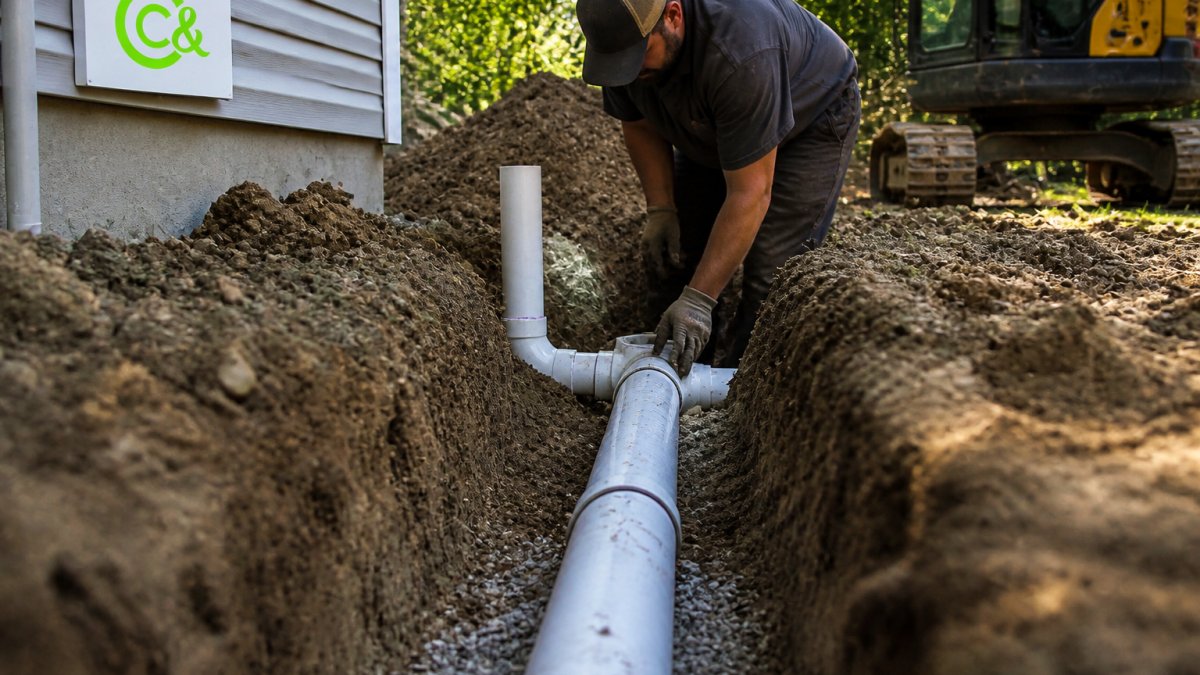
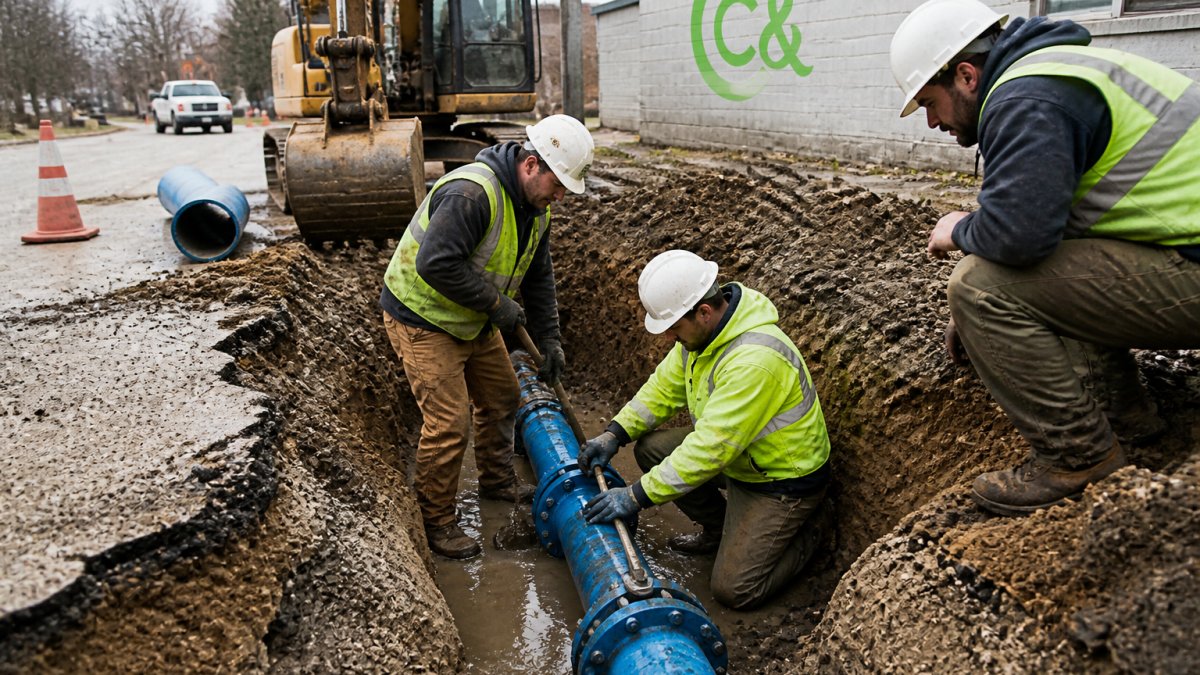
Professional water main repair involves several steps: locating the break using specialized leak detection equipment, excavating to expose the damaged section, assessing whether repair or replacement is more appropriate, performing the actual repair work, and restoring the excavation site.
Detecting Leaks: Water Line Leak Detection Methods
Identifying exactly where a water line leak occurs is the critical first step in any repair project. Without precise detection, contractors end up digging unnecessarily, increasing costs and disruption. Modern leak detection technology has transformed this process from guesswork into science.
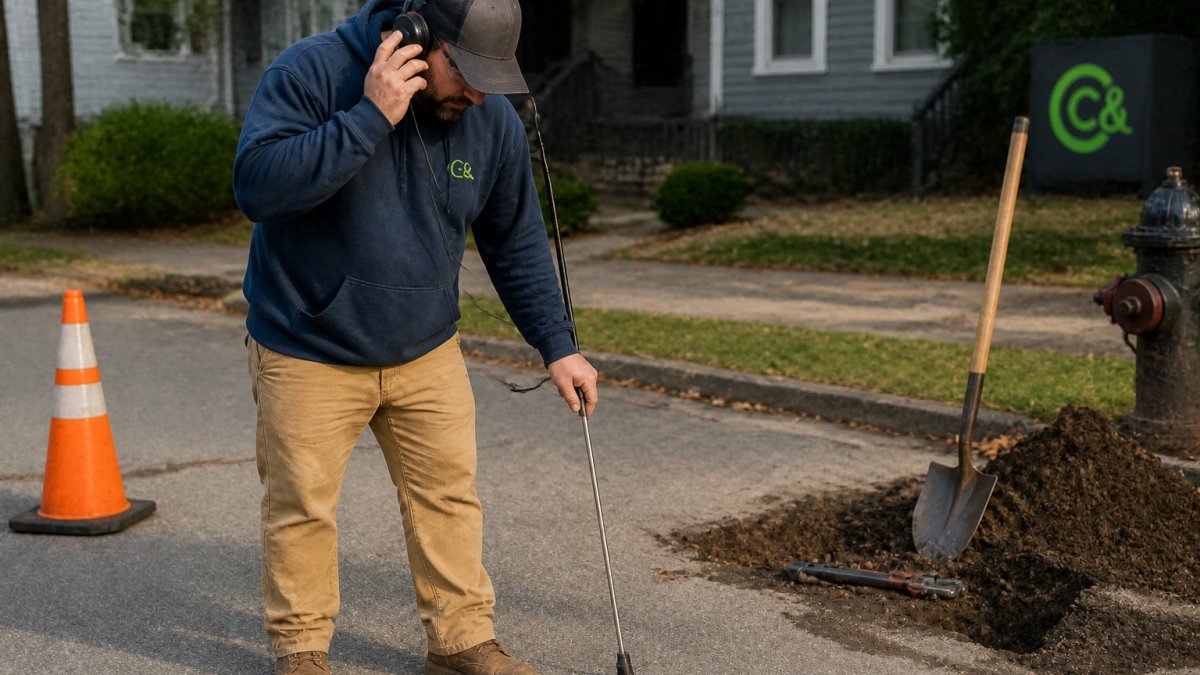
Acoustic leak detection works because water escaping from a pressurized pipe creates a distinctive sound. Trained technicians listen for these sounds using sensitive equipment, narrowing the search area progressively until they locate the exact spot.
Camera inspections use waterproof cameras inserted into pipes to reveal cracks, breaks, corrosion, root intrusion, and other internal damage. This technology provides visual confirmation of the problem and helps contractors determine the best repair approach.
Ground-penetrating radar and other advanced technologies can map underground infrastructure without digging, helping contractors understand the layout and condition of water systems before beginning repairs. These diagnostic tools represent the difference between precision work and expensive trial-and-error approaches.
Repair Techniques and Technology
Once a problem is identified, the repair method depends on the severity of the damage, the pipe material, the location, and budget constraints. Modern water infrastructure repair employs several distinct techniques, each suited to different situations.
Trenchless repair methods have revolutionized water line work by allowing repairs without excavating the entire length of damaged pipe. Pipe bursting involves pulling a new pipe through the old one, shattering the old pipe in the process. Pipe relining uses epoxy or other materials to seal the interior of existing pipes, extending their life without full replacement.
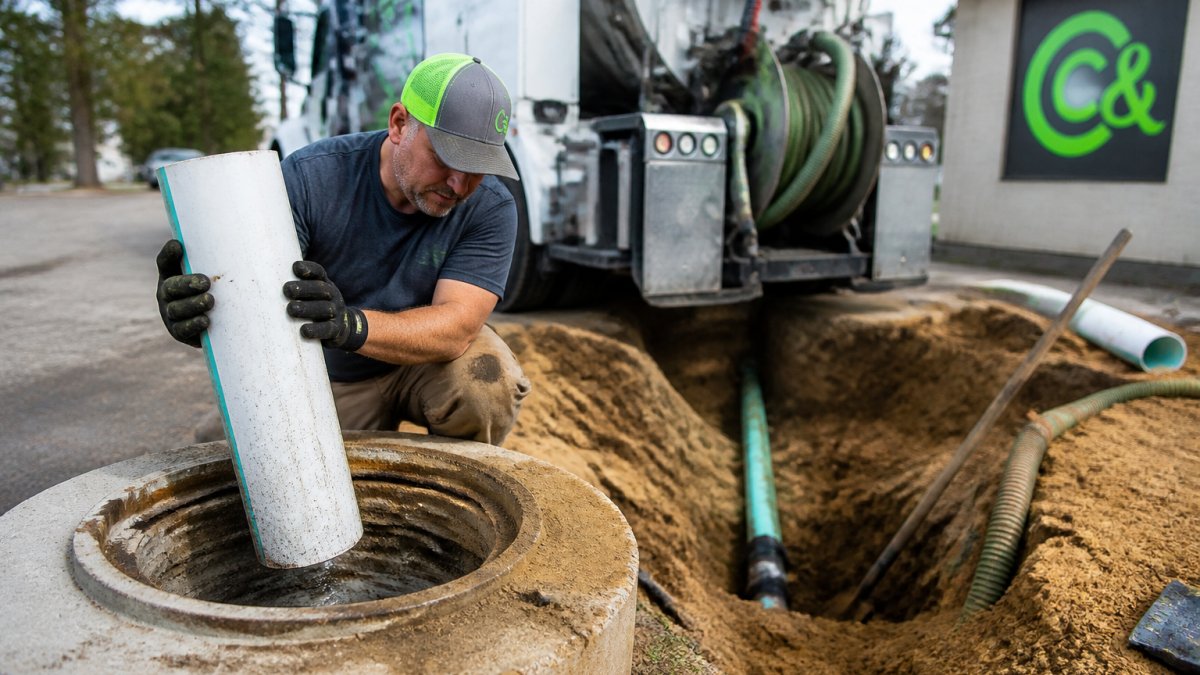
Traditional excavation and replacement remains necessary when damage is severe or pipes are too deteriorated for trenchless methods. Vacuum excavation has become the standard for this work because it safely exposes underground utilities without the risk of striking gas lines, electrical conduits, or other critical infrastructure.
The choice between repair and replacement depends on several factors. If a pipe has multiple breaks or extensive corrosion, replacement makes economic sense despite higher upfront costs. If the damage is localized, repair often suffices. Professional contractors assess the full condition of the line before recommending an approach, considering factors like remaining pipe life, soil conditions, and long-term maintenance requirements.
| Repair Method | Best For | Advantages | Limitations |
|---|---|---|---|
| Trenchless relining | Localized damage, accessible pipes | Minimal excavation, faster, lower cost | Not suitable for severe breaks |
| Pipe bursting | Full line replacement | Installs new pipe in one pass | Requires accessible endpoints |
| Traditional replacement | Severe damage, aging infrastructure | Permanent solution, full diagnostics | High cost, significant disruption |
| Spot repair | Single breaks in good condition | Quick, cost-effective | Temporary if line is failing overall |
Understanding Water Main Repair Cost and Budgeting
Water infrastructure repair costs vary dramatically based on the scope of work, accessibility, pipe material, and local labor rates. Understanding the factors that drive these costs helps property owners and municipal managers make informed decisions and budget appropriately.
Factors influencing water main repair cost include the length and diameter of pipe being repaired, the depth of the pipe underground, soil and rock conditions that affect excavation difficulty, the method chosen (trenchless versus traditional excavation), and the urgency of the repair. An emergency repair on a weekend costs more than scheduled work during business hours.
For homeowners, a residential water service line repair can involve significant costs due to excavation and restoration. Municipal water main repairs can range from modest to substantial depending on the main's size and location.
Budgeting for water infrastructure repair requires getting detailed estimates from qualified contractors. Professional estimates should specify exactly what work will be performed, what method will be used, what permits and coordination are included, and what the timeline looks like. Read more about water line maintenance strategies to understand how preventive approaches can reduce long-term costs.
Transparent pricing matters enormously in this industry. Contractors who provide upfront, honest estimates without surprise pricing as the work progresses demonstrate integrity and build trust.
Emergency Water Main Repair: Response and Restoration
When a water main breaks or a service line fails suddenly, the situation demands immediate professional response. Emergency water main repair requires specialized equipment, trained crews, and the ability to mobilize quickly regardless of time of day or day of week.
The first priority in an emergency is stopping the water loss and restoring service as quickly as safely possible. This often means temporary repairs or bypassing the damaged section while a permanent solution is arranged.
Water damage restoration follows the repair work. When a water line failure has caused flooding or structural damage, professional water extraction and drying become necessary to prevent mold, structural decay, and long-term property damage. This work requires industrial-grade equipment and expertise in moisture management that goes beyond simple cleanup.
For urgent repairs in your area, contact our water and sewer line repair service to reach experienced professionals available for emergency response.
The best protection against emergency situations is preventive maintenance and early detection. Monitoring water pressure, watching for unexplained water bills or wet spots in yards, and scheduling regular inspections of aging infrastructure all reduce the likelihood of catastrophic failures. When problems are caught early, repairs are typically less expensive and less disruptive than emergency interventions.
Selecting and Partnering With Water Infrastructure Contractors
Choosing the right contractor for water infrastructure repair is one of the most important decisions a property owner or municipal manager can make. Understanding who is responsible for water and sewer line repairs helps clarify whether you or the municipality should hire and pay for the work.
Key criteria for evaluating contractors include relevant experience with the specific type of work you need, proper licensing and insurance, willingness to provide detailed written estimates before starting work, and references from similar projects.
Experience matters significantly in water infrastructure work. A contractor with 20 years of experience has encountered most problems and knows which solutions work in various soil and pipe conditions.
Professional certifications and specialized training indicate commitment to quality. E/One certified technicians, for example, have demonstrated expertise in specific pump systems and installation standards. Contractors using state-of-the-art camera inspections and hydro jetting technology have invested in capabilities that improve diagnostics and repair quality.
For municipal projects, learn more about available water line services in your region or explore Piedmont region water infrastructure contractors to understand what's available in your service area. Before hiring, verify that the contractor understands local regulations and has experience working with your municipality.
The contractor you choose should stand behind their work. Contractors who offer upfront pricing without surprise charges as work progresses show respect for your budget and decision-making process.
Water infrastructure systems are the backbone of reliable service to homes and businesses. When problems develop, professional diagnosis and repair prevent cascading failures and protect your property.
Frequently Asked Questions
What methods are used to repair or replace a water main?
Water main repair uses several approaches depending on pipe condition and location. Traditional excavation exposes the damaged section for full replacement. Trenchless methods like pipe bursting or cured-in-place pipe lining avoid extensive digging. Hydro jetting clears blockages and buildup. Camera inspection identifies the exact problem before repair begins, ensuring the right method is chosen and reducing unnecessary work.
How do municipalities identify water main leaks and pipe damage?
Water line leak detection combines multiple techniques. Acoustic sensors detect the sound of water escaping underground. Thermal imaging shows temperature differences caused by water loss. Camera inspection sends a small video probe through the pipe to visualize cracks, corrosion, and breaks. Pressure testing reveals loss rates. Professional contractors use these tools to pinpoint leaks before excavation, saving time and cost.
How long does a water main repair project take?
Timeline depends on the repair method and damage extent. A localized break with traditional excavation can take several days. Trenchless repairs may also take multiple days. Emergency repairs prioritize speed and often run 24/7 to restore service quickly. Permits, weather, and site access can extend timelines. Contractors should provide a realistic schedule upfront so municipalities can plan service disruption communication.
What should municipalities look for when hiring a water and sewer contractor?
Verify licensing, insurance, and relevant certifications like E/One pump installations. Check references from similar municipal projects and review response times on past emergency work. Request upfront, detailed estimates with no hidden costs. Confirm they have diagnostic equipment like cameras and leak detection tools. Assess their experience with permits and regulatory compliance. Ask about their crew's training and how they handle service restoration communication.
When should a water line be repaired instead of replaced?
Repair is appropriate for isolated damage like small cracks or localized breaks in otherwise sound pipe. Replacement is necessary when corrosion is widespread, the pipe has multiple failures, or it has reached the end of its lifespan (typically 50-75 years depending on material). Camera inspection determines pipe condition. Trenchless lining extends life without full replacement. Contractors should recommend repair or replacement based on inspection findings, not just cost.
What are examples of water infrastructure?
Water infrastructure includes water mains (large pipes distributing water throughout a system), service lines (connecting mains to individual properties), pump stations, treatment facilities, storage tanks, and sewer lines. Underground pipes, valves, meters, and hydrants are also critical components. Municipal water infrastructure repair services address failures in any of these systems to maintain reliable water delivery and proper wastewater removal for homes, businesses, and communities.