 Listicle
How to Hire a Reliable Local Utility Contractor
Quick Summary
To hire a reliable utility contractor, verify the license with the state licensing authority, request insurance certificates directly from the agent, confirm bonding for larger jobs, and compare bids line by line for scope and exclusions. Ask about diagnostics, change-order rates and warranty terms before signing any contract.
- Verify the license number through the official state licensing authority and confirm the classification covers your work.
- Request a certificate of insurance sent directly from the contractor's insurance agent, not forwarded as a PDF.
- Compare bids line by line, normalizing scope, units and assumptions before ranking totals.
- Ask for unit rates for rock, unsuitable soil and extra depth before signing.
- Require every change order to be documented in writing, priced and approved before extra work starts.
Table of Contents
- How to Hire a Reliable Local Utility Contractor
- Why Choosing the Right Utility Contractor Matters
- Comparing Local Utility Contractors: Where to Start Your Search
- Questions to Ask a Utility Contractor Before You Sign
- Utility Contractor Qualifications: Licenses, Insurance, and Bonding
- Reading a Utility Contractor Estimate Checklist Line by Line
- Setting Realistic Expectations for the Utility Contractor Project Timeline
- Permits, Utility Locates, and Change Orders: Protecting Your Project
- Booking Your Estimate with C & C Environmental Services
- Frequently Asked Questions
How to Hire a Reliable Local Utility Contractor
Last Updated: November 21, 2026
Hiring a reliable local utility contractor is one of the most consequential decisions a homeowner, property manager or developer will make. Water, sewer and site work sit underground, so a poor choice often stays hidden until a line fails. A careful selection process protects the project and the property, and this guide walks you through it step by step.
Quick Picks:
- Best for urgent sewer repairs: a contractor with proven diagnostic tools and camera inspection capability
- Best for commercial site work: a firm with bonding capacity and documented project timelines
- Best for municipal projects: a crew with verifiable public-works experience and insurance limits that meet the owner's requirements
Why Choosing the Right Utility Contractor Matters
A utility contractor works on the lines that carry water in, wastewater out and power or gas to your property. When the work is done well, you never think about it. When it is done poorly, the cost shows up as flooded floors, repeated repairs and tear-ups of finished landscaping.
The stakes are higher on commercial and municipal projects, where delays affect tenants, schedules and public budgets. A contractor who finds the real problem the first time, and who communicates clearly when conditions change, protects far more than the price of one job.
Comparing Local Utility Contractors: Where to Start Your Search
Start with contractors who work in your area and have a record on jobs similar to yours. A residential sewer repair calls for different experience than a commercial water main extension.
Useful places to build a shortlist include:
- Local referrals from neighbors, property managers and engineers who have hired contractors recently
Directory listings are a starting point, not proof of quality. Verify every name on your shortlist against the checks in the sections below before you request estimates.
Questions to Ask a Utility Contractor Before You Sign
Your first conversation should reveal how the contractor thinks, not just what they charge. Ask these questions before you agree to anything:
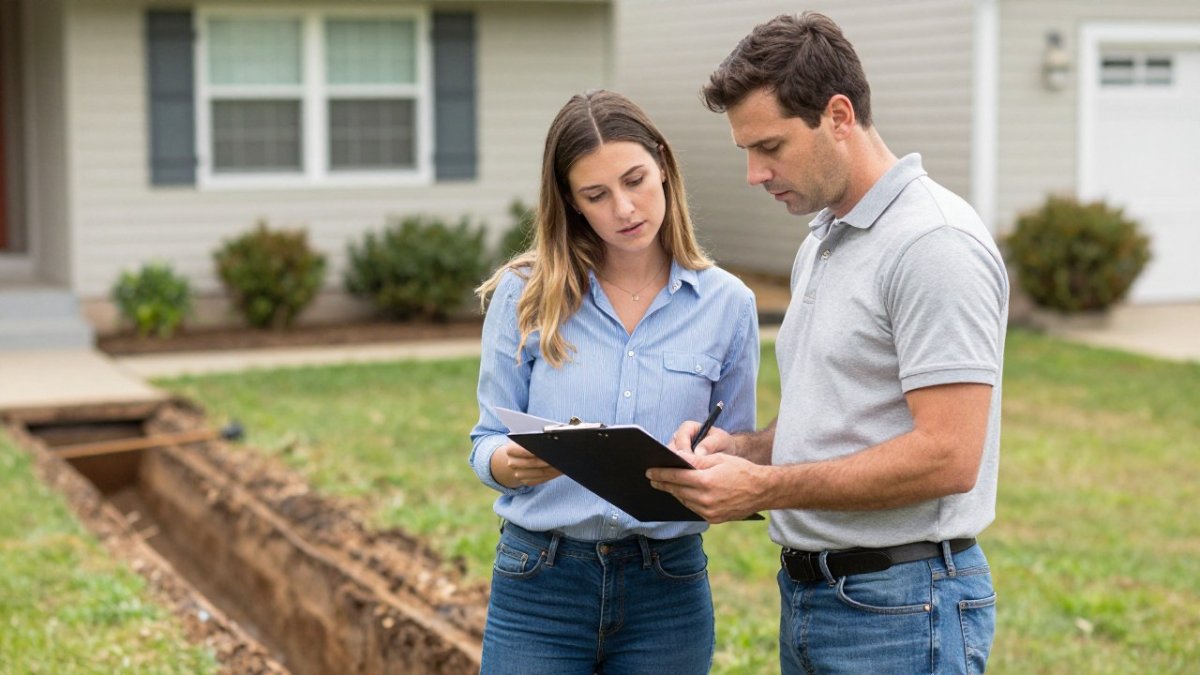
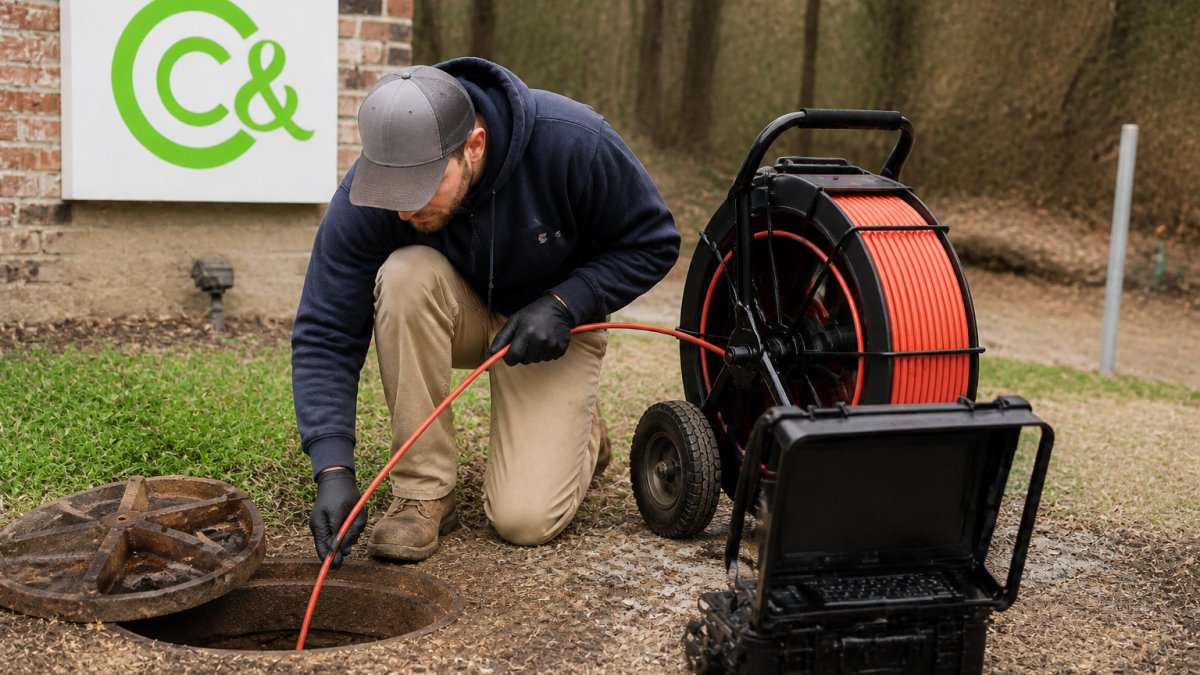
- What is your diagnostic process? A reliable firm inspects before it digs. Camera inspections and hydro jetting can show the actual cause of a problem.
- Who will be on my site, and will you supervise them? Find out whether the people who sign your contract are the people doing the work.
- How do you handle unexpected conditions? Ask how newly discovered issues are priced and approved before work continues.
- Will you stand behind the workmanship? Ask whether the company backs its work and for how long.
- Can you provide references from recent local projects? Call them and ask about communication, cleanup and whether the job held up.
Pay attention to vague answers. A contractor who cannot explain their process in plain terms may not follow one consistently.
Utility Contractor Qualifications: Licenses, Insurance, and Bonding
Qualifications are the minimum standard, not a bonus. Most directory listings and job boards stop at a badge that says "licensed and insured," but a badge is a claim, not proof.
License. Utility work is licensed at the state level, and the required license class depends on the scope. Ask for the license number and the classification, then verify the number through the official state licensing authority.
General liability insurance. Request a current certificate of insurance (COI) sent directly from the contractor's insurance agent, not a PDF the contractor forwarded. On the COI, check the policy effective dates, the general aggregate limit, and the per-occurrence limit.
Workers' compensation. Confirm coverage for every employee who will be on your site, and check the policy's experience modification rate if the contractor will share it, a high modifier signals a claims history.
Bonding. A surety bond is a third-party guarantee, not a contractor's promise.
Safety record. Ask for the contractor's OSHA recordable incident rate and experience modification rate for the last three years, and ask whether they have had any citations from the Occupational Safety and Health Administration. Trenching and excavation carry significant safety risk, so ask any contractor to produce a written safety program and daily inspection records.
References, verified. Ask for three references from projects similar in scope and within the last two years, and call them. Ask specifically about change orders, schedule slippage, and whether the reference would hire the contractor again. A reference list that is all older than two years, or all from a different project type, is a signal.
Watch out: a certificate of insurance can be canceled for nonpayment after it is issued, so ask the agent to confirm the policy is current within a few days of the start date rather than relying on a certificate dated months earlier.
The article breaks contractor verification into specific checks, summarized below.
| Check | What to verify | Where to look |
|---|---|---|
| License | Active, class covers the work, name matches contract entity | Official state licensing authority |
| General liability insurance | Policy dates, aggregate and per-occurrence limits | COI sent directly by the insurance agent |
| Workers' compensation | Coverage for every employee on site | Policy and experience modification rate |
| Bonding | Surety name, bond capacity, rating | Surety and recognized rating agency |
| Safety record | Incident rate and OSHA citations, last three years | Contractor's records |
| References | Three similar projects within two years | Direct calls to references |
Reading a Utility Contractor Estimate Checklist Line by Line
The lowest total is rarely the best value, and on utility work the gap between the low bid and the high bid is usually explained by what each bid excludes, not by what the contractor charges.
Normalize the scope first. Put every bid into the same format: same units (linear feet, each, lump sum), same assumptions about depth and pipe size, and same inclusions. If one bid assumes a 4-foot trench and another assumes 6 feet, the totals are not comparable.
Use this checklist on every bid:
- Scope of work is described in specific terms, not just "repair sewer line", length, diameter, material, depth, and connection points
- Diagnostic work, such as camera inspection and locates, is listed separately or included
- Materials, pipe type, fittings, bedding, and backfill are named by specification
- Excavation, shoring, dewatering, backfill, compaction, and surface restoration are itemized
- Permit fees and utility locate costs are accounted for, and the bid states who pulls the permit
- Traffic control, erosion control, and disposal or haul-off of spoil are included or excluded
- Payment schedule, deposit amount, and retainage are stated
- Contingency or change-order process is written out, including unit rates for rock, unsuitable soil, and extra depth
- Warranty terms and duration are included, and the warranty covers workmanship as well as materials
- Schedule, start date, and milestone dates are stated
Understand the cost drivers. Utility project costs are driven by a handful of variables that bids should expose: depth of excavation, soil conditions (rock and unsuitable soil are the two most common cost surprises), pipe material and diameter, the length of the run, restoration requirements, permit and inspection fees, and access constraints such as paved surfaces, landscaping, or tight urban lots. A bid that does not state unit rates for rock excavation or unsuitable soil is a bid that will convert those conditions into a change order at the contractor's price, not yours.
Compare exclusions, not just totals. List every exclusion across all bids side by side. Common exclusions include permits, restoration of landscaping or pavement, dewatering, shoring, traffic control, disposal fees, and utility locate costs.
Read the change-order terms. Ask for the unit rates that will apply to changed work before you sign: per cubic yard for rock, per linear foot for extra depth, per hour for standby time.
Check the payment schedule. Progress payments tied to completed milestones are normal; large deposits before mobilization are not. Retainage, a portion held back until final acceptance, is a common protection on commercial and public work.
Ask about the warranty. Get the warranty in writing and confirm whether it transfers if you sell the property.
Setting Realistic Expectations for the Utility Contractor Project Timeline
Ask every contractor for a written schedule with start date, major milestones and expected completion. Weather, locate delays and inspection schedules all affect timing, so a realistic contractor will explain which factors could move the dates.
Be cautious of any firm that promises a completion date without asking about site conditions. Good communication during the job matters as much as the schedule itself. Agree on who you will contact, how often you will receive updates and how quickly problems will be reported.
Permits, Utility Locates, and Change Orders: Protecting Your Project
Utility work often requires permits from local or state authorities. Confirm that the contractor will pull the required permits and that you know who is responsible for them. Work performed without permits can create liability and complicate future sales or inspections.
Before any digging begins, underground utilities must be marked. In the United States, the 811 system connects you to local utility locators before digging. Ask for proof that locates were requested.
Change orders are unavoidable on many jobs. Require that every change be documented in writing, priced and approved before the extra work starts. This single rule prevents most disputes over surprise costs.
Booking Your Estimate with C & C Environmental Services
C & C Environmental Services is a family-owned and operated company with over 20 years of experience in water, sewer and site work across North Carolina. We serve residential, commercial and municipal clients, and we use state-of-the-art camera inspections and full diagnostics. Our estimates are upfront and honest with no surprise pricing, and our workmanship is backed 100% by the company. We are E/One certified for pump installation and repair.
If you are comparing contractors for an upcoming project, contact us today for a detailed estimate. Our team will walk through the scope, timeline and permits with you so you can make an informed choice.
Frequently Asked Questions
How do I find a reliable utility contractor near me?
Start with contractors that list water, sewer, and utility line work specifically, not general excavation alone. Check reviews on several platforms, ask for references from recent jobs in your area, and confirm the company has been operating for years rather than months. Compare at least three written estimates before deciding. A local firm that answers questions directly and explains its process in plain terms is usually a stronger choice than one that pushes for a fast signature.
What should I check before hiring a utility contractor?
Verify the contractor holds the appropriate state license, carries general liability and workers' compensation insurance, and can show proof of both. Ask whether they are bonded and request a certificate of insurance naming you as certificate holder. Confirm they will pull required permits and arrange utility locates before digging. Review their safety record and ask how they handle changes to scope so you are not surprised by extra charges mid-project.
What questions should I ask a water or sewer contractor?
Ask how they diagnose the problem before recommending repairs, such as camera inspection or hydro jetting, and whether they will show you the findings. Ask what the estimate includes and excludes, how they handle unforeseen conditions, and whether the workmanship is warrantied and for how long. Ask about their projected start date and how they will communicate delays. Finally, request references from jobs similar to yours, whether residential, commercial, or municipal.
How can I compare utility contractor estimates?
Line up the estimates side by side and confirm each one covers the same scope, materials, permits, restoration, and cleanup. A much lower bid often leaves out items that show up later as change orders. Ask each contractor what could change the price and how they would document and price any additional work before starting. The most useful estimate is the one you understand completely and can hold the contractor to in writing.